
Pain after a root canal should ease with each passing day, not get sharper or return once it settles. Mild soreness right after a dental procedure is normal, since the living tissue around a treated natural tooth needs time to calm down.
When soreness turns into something worse on day three, four, or later, one of four specific issues is usually behind it. Dental research identifies each cause, and each has a defined treatment path. This guide breaks down all four reasons in plain terms, so you know when a simple ache is normal and when it’s time to call a dental provider.
Key Takeaways
- A missed canal can leave infected tissue behind, keeping pain active long after treatment ends.
- Bacteria disturbed during cleaning can trigger a flare-up even in a well-performed procedure.
- Filling material that sits too deep or too shallow inside the canal raises the odds of ongoing pain.
- A tooth treated before carries a higher baseline risk of reinfection.
- Waiting too long to address worsening pain can put the tooth itself at risk.
Reason 1: Is a missed canal still hiding infected pulp in your tooth?
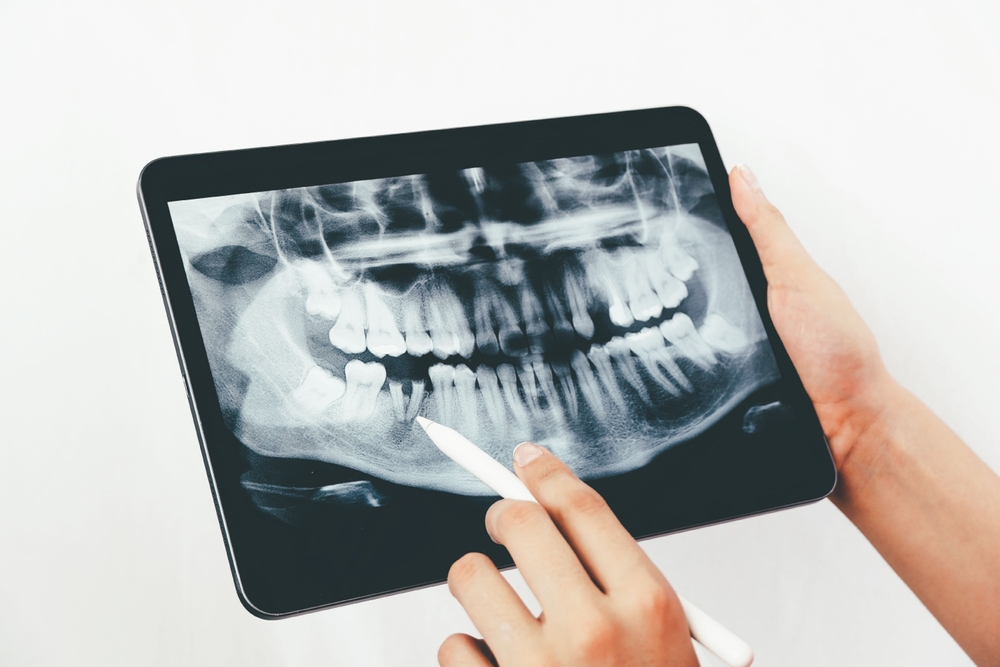
Some teeth contain extra canals that never show up on a standard X-ray. When one goes unnoticed, infected pulp stays trapped inside, and the problem doesn’t resolve on its own.
Why Molars Hide Extra Canals
Molars are especially likely to have this hidden anatomy. Their root systems branch in ways a flat X-ray can miss. Bacteria left behind in an unseen canal keep working undisturbed, even after your dentist cleans and seals the visible canals.
What the Research Shows
Research on root canal retreatment confirms a high incidence of postoperative pain within 24 hours in these cases overall, and a missed canal is one of the clearest reasons bacteria keep multiplying undetected. This kind of pain often follows a pattern. It eases slightly, then spikes again once bacteria rebuild inside the missed space.
Signs to Watch For
- Pain that returns after a quiet stretch
- Sensitivity that worsens with chewing pressure
- Discomfort that lingers well past the first week
A follow-up X-ray with updated imaging can reveal anatomical variations that weren’t visible during the first procedure. If your dental professionals identify a missed canal, root canal retreatment reopens the tooth and clears the remaining infection.

Reason 2: Could leftover bacteria be causing your flare-up?
Post-root canal pain from this cause often feels different from normal healing soreness. This can happen even when a dental procedure goes exactly as planned.
Why This Happens Even With Careful Treatment
Bacteria disturbed during cleaning but not fully removed can trigger a sharp inflammatory response once the dentist seals the canal. Managing bacteria inside a sealed root is genuinely difficult. Some cases flare regardless of how carefully the procedure was done.
What Flare-Up Research Reveals
Research on flare-up management identifies bacterial injury as the major and most common cause of interappointment flare-ups. This affects a meaningful share of patients in some populations. When it happens within hours or days, it often needs emergency care.
Signs of This Type of Flare-Up
- Sudden tooth pain that appears out of nowhere
- Post-treatment sensitivity that spikes rather than fades
- Swelling that develops within the first 48 hours
Knowing this is a documented clinical event helps patients decide when to call. Most reach out the same day instead of waiting to see if things settle down.
Reason 3: Is your filling too deep, or not deep enough?
How far the filling material reaches inside the canal matters more than most patients realize. Fill depth relative to the root tip can make or break a comfortable recovery.
The Fill Depth Problem
Research on canal obturation shows pain rates rise sharply depending on how the canal was filled. Rates reach 14%, 53%, and 60% for underfilled, flush, and overfilled canals, respectively. When material pushes past the root tip, it enters the surrounding bone and causes inflammation. When the filling falls short of the root tip, bacteria can recolonize the space.
Other Mechanical Factors at Play
- Irrigant pushed through the root tip during cleaning
- Debris forced into the tissue at the root apex
- A bite that sits too high once the dentist places the crown
Warning Signs of a Fill or Bite Issue
Hot or cold sensitivity that appears or worsens after treatment is a signal to watch. It may mean fill level or bite pressure is involved. A bite adjustment trims the tooth so it meets opposing teeth evenly, addressing pressure as a contributing factor. Hot or cold temperatures that trigger a sharp response can also mean inflammation near the root tip hasn’t resolved yet.

Reason 4: Did a previous root canal set you up for reinfection?
If a previous dentist already treated the tooth, the starting conditions are harder to work with. Retreatment cases carry risks that first-time procedures simply don’t.
Why Retreatment Cases Carry Higher Risk
Enterococcus faecalis and other resistant organisms often show up in previously treated canals. These bacteria survive standard disinfection and can persist long after the original procedure. A study of retreatment cases found a strong association between these pathogens and retreatment failure, which helps explain why a second infection takes hold more easily than a first. Even a thorough cleaning may not eliminate these bacteria.
Signs of a Reinfected Tooth
- Swelling near the treated tooth
- Dental abscess formation close to the root
- Pain that skips the expected recovery curve
Abscess development near a previously treated tooth means the infection came back, or it never fully went away.
How Root Canal Retreatment Fixes It
Root canal retreatment removes the old filling material and re-cleans the canals using specialized dental instruments. It then reseals the tooth from the inside out. Our team offers this option for patients whose symptoms point to a persistent or returning infection.
When Should You Actually Worry? Why Waiting Could Cost You the Tooth
The four causes above share one outcome when left unmanaged. Each is fixable when caught early, but the longer symptoms go unaddressed, the fewer options remain.
What Happens If You Wait
Sometimes retreatment cannot resolve the infection on its own. Research on persistent periapical lesions confirms that periapical surgery and further extraction become the only remaining options.
When the Pain Isn’t From the Tooth At All
Not every source of discomfort comes from the tooth itself. Sinus inflammation can create pressure in the upper back teeth that mimics dental pain but starts in the sinus cavity. Nerve conditions near the jaw joint can also send referred pain to spots that are hard to pinpoint. TMJ disorders, which affect the jaw joint and surrounding muscles, can produce bite tenderness that feels dental in origin.
Home Care That Actually Helps
- Hold a cold compress against the outside of the jaw in short intervals to reduce swelling.
- Use a saline rinse or saliva rinses to keep the area clean without irritating it.
- Take pain relievers as directed to ease discomfort.
- Keep up with gentle oral hygiene around the treated tooth.
These steps manage symptoms. They don’t fix the source. If discomfort keeps building, contact your dental provider the same day rather than waiting it out.
Stop Living With Pain After Root Canal, Get Help
Pain after root canal shouldn’t be something you push through alone. What feels like a mystery is usually one of four specific, treatable causes: a missed canal, leftover bacteria, a filling placed too deep or too shallow, or a resistant infection from a prior treatment.
Persistent discomfort is your tooth’s way of asking for help, not something to wait out. Dr. Sandhya Hegde, D.D.S. B.D.S., and the team can pinpoint exactly which of these four causes is behind your symptoms and map out the right next step. Reach out to the Center for Dental Health La Jolla to get seen quickly instead of guessing what’s wrong.
FAQs
Is it normal to have pain after a root canal?
Yes, in most cases, though how it feels can vary from person to person. Some patients notice mild throbbing, others just a dull ache when biting down, and both fall within a normal range. What matters most is the direction it’s heading. Steady improvement each day is reassuring, while pain that plateaus or intensifies deserves a second look.
How to stop throbbing pain after a root canal?
Elevating your head slightly while resting can reduce blood flow to the area and ease throbbing overnight. Sticking to soft foods and chewing on the opposite side prevents unnecessary pressure on the healing tooth. If throbbing pain arrives suddenly after a pain-free stretch, treat that as a different signal than gradual discomfort, and call your dentist rather than managing it at home.
How long does pain last after a root canal?
Timelines vary by tooth. A front tooth with a single canal often settles faster than a molar with multiple canals and more tissue involved. Most patients notice steady improvement within the first week, with only mild twinges lingering afterward. If your dentist mentioned your case was more complex during treatment, expect a slightly longer, though still improving, recovery window.
Do you get pain medicine after a root canal?
Most patients manage comfortably with over-the-counter options like ibuprofen, which your dentist will confirm is safe for you. Prescription-strength medication is reserved for more involved cases, such as significant infection or an unusually complex canal system. Cost is rarely a concern here, since store-brand pain relievers work just as well as name brands for this kind of recovery.
What should I do if my tooth feels worse a week after a root canal?
Beyond calling your dentist, watch for pain in nearby teeth or your jaw, since infection can spread if left untreated. Note when the pain started intensifying and what triggers it, like chewing or temperature, since that detail helps your dentist diagnose faster. Don’t wait for a scheduled cleaning. This warrants its own appointment.