Periodontics

Your gums do more work than most people realize. They hold every tooth in place and shield the bone underneath from infection. Periodontics is the branch of dentistry that looks after that support system: the gums, the periodontal ligament, and the bone below the gumline, rather than the visible tooth itself. Early inflammation, known as gingivitis, often reverses with better hygiene and professional cleanings. Left alone, it can progress into periodontitis, which breaks down bone and connective tissue in ways your body can’t repair on its own.

Dr. Sandhya Hegde, D.D.S., B.D.S., and the specialist team at Center for Dental Health La Jolla treat gum and bone concerns at every stage, from that first sign of bleeding to bone loss that calls for grafting or surgical care. A periodontist steps in once a case needs more than a standard cleaning, recommending the right procedure when tissue needs to be rebuilt rather than just cleaned.
Meet Our Periodontist

Dr. Gary Sigafoos brings more than four decades of clinical experience to his role as periodontist at Center for Dental Health La Jolla. He earned his Doctor of Dental Surgery degree in 1971 and completed his Master of Science in Periodontics in 1977, both from Temple University. Dr. Sigafoos has been in active practice since 1979 and joined the Center for Dental Health La Jolla team in 2021. Learn more about Dr. Sigafoos’s background to see why patients with complex gum and bone concerns are referred to him locally and nationally.

Learn About Your Doctor!

Treatments for Advanced Gum and Bone Loss

Surgical Periodontics

When non-surgical cleaning and maintenance can no longer manage active gum disease, surgical periodontics steps in to remove diseased tissue and stop further bone loss. Dr. Sigafoos evaluates pocket depth, bone levels, and tissue health to determine which surgical approach fits your case. This is typically when a general dentist refers a patient for specialized care.

Osseous Surgery and Bone Grafting for Bone Loss

Osseous surgery reshapes bone around affected teeth to eliminate the pockets where bacteria collect, while bone grafting rebuilds volume in areas where bone has already been lost. Together, these procedures address both active infection and existing structural damage. Many patients pursue this combination specifically to prepare a site for future implant placement.

Gum (Gingival) Grafting for Receding Gums

Gingival grafting replaces gum tissue that has pulled away from the tooth root, since receded tissue doesn’t grow back on its own. The procedure covers exposed root surfaces, reducing sensitivity and protecting the root from further decay. It’s one of the most common referrals for patients who’ve noticed their teeth “look longer” over time.

Conditions and Symptoms That Lead to Surgical Periodontics

Surgical periodontics addresses conditions that have progressed beyond what non-surgical periodontal treatment can resolve, including deep periodontal pockets, significant bone loss, persistent gum inflammation, and severe gum recession. As bacteria accumulate below the gumline, the inflammation can damage the bone and connective tissue that support the teeth. Procedures such as osseous surgery, bone grafting, or soft tissue grafting may be recommended to remove diseased tissue, rebuild lost support, and create healthier conditions around the teeth. Periodontitis is also common, affecting a significant portion of adults in the United States.

Bleeding, Receding Gums, and Loose Teeth Can Signal Periodontal Disease

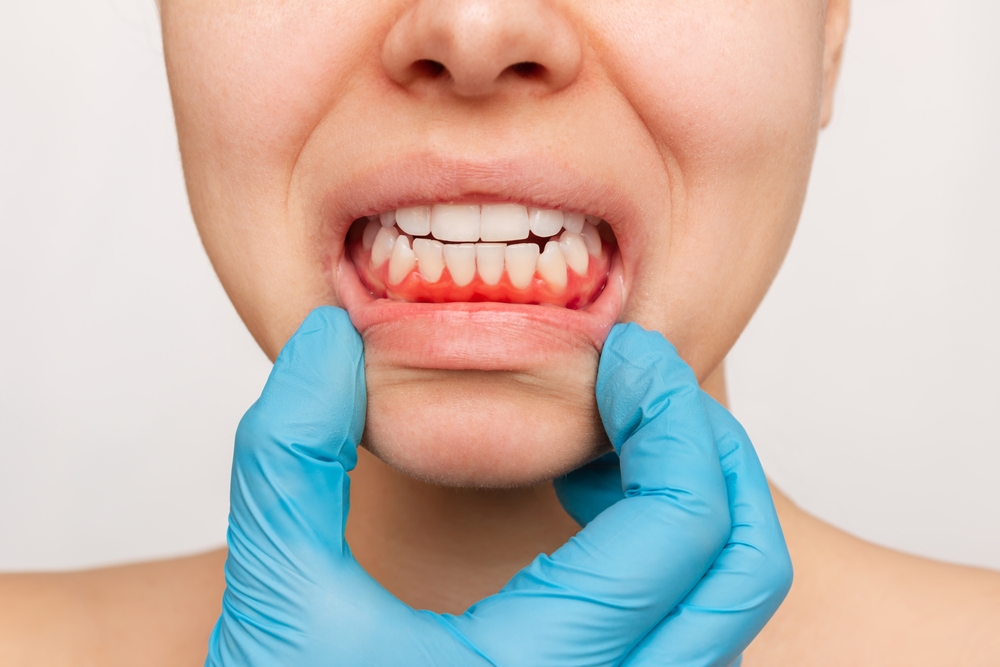
Bleeding gums, gum recession, loose or sensitive teeth, painful chewing, and changes in the bite can indicate that periodontal disease is affecting the tissues supporting the teeth. A periodontal evaluation helps determine the extent of the condition by measuring pocket depth, checking gum and tooth stability, and assessing bone levels with diagnostic imaging. Recognizing these symptoms early may provide more treatment options before additional tissue or bone loss occurs.

Delaying Gum Treatment Can Lead to Further Bone and Tissue Loss

Waiting to address progressing periodontal disease can allow pockets to deepen and additional bone and connective tissue around the teeth to deteriorate. As supporting structures are lost, teeth may become increasingly mobile and, in advanced cases, may no longer be able to be preserved. Depending on the extent of the damage, treatments such as gum grafting or periodontal surgery may be recommended to protect remaining tissue and support.

These pockets can result in bone and tissue loss. Eventually, if too much bone is lost, the teeth will need to be extracted.

American Academy of Periodontology, Surgical Procedures

Speak With A Professional!

Prevention and Periodontal Health, Osseous Surgery and Bone Grafting for Bone Loss

Preventing periodontal disease from progressing to the point where osseous surgery or bone grafting may be needed starts with consistent oral hygiene and professional dental care. The CDC recommends brushing twice daily, flossing every day, and getting regular professional cleanings, while smoking and diabetes are recognized risk factors for more serious gum disease. Smoking can double a person’s risk of gum disease, and diabetes can make periodontal problems harder to control. When bone loss has already occurred, bone grafting may be used to rebuild lost bone and create support for remaining teeth or future dental treatment.

Many People Ignore Bleeding Gums or Try to Manage Them at Home First

Patients may try saltwater rinses, oil pulling, aloe vera, or other home approaches when they notice bleeding or receding gums, but these measures do not replace an evaluation for underlying periodontal disease. Research examining gum-bleeding behavior found that many people ignored the symptom or attempted self-care instead of seeking professional treatment, despite bleeding gums being a recognized sign of periodontal problems. This matters because established gum recession cannot simply grow back through home remedies, and patients with significant recession may require gum grafting to cover exposed root surfaces.

Delaying Professional Care Can Allow Gum and Bone Damage to Progress

Waiting for bleeding or receding gums to improve on their own can allow periodontitis to continue damaging the gum tissue, connective tissue, and bone that support the teeth. Once recession or bone loss has occurred, home rinses cannot rebuild those structures, although prescribed products such as chlorhexidine may help control plaque and inflammation during recovery after periodontal procedures. A systematic review found that chlorhexidine was useful as a supportive measure after periodontal or implant surgery, but it did not replace the surgical treatment itself.

Chlorhexidine rinsing helps to reduce biofilm formation and gingival inflammation after surgery.

Clinical Oral Investigations, Efficacy of chlorhexidine rinses after periodontal or implant surgery: a systematic review

Speak With A Professional!

Cost and Insurance for Periodontal Treatment

The cost of periodontal treatment varies based on the severity of gum disease, the number of teeth involved, and whether procedures such as osseous surgery, bone grafting, or gum grafting are needed. Dental insurance may cover part of medically necessary periodontal care, although benefits, deductibles, annual limits, and eligibility vary by individual plan. Patients should confirm their specific benefits and review the practice’s payment options before treatment so they have a clearer understanding of expected costs.

Periodontal Treatment Costs Vary by the Procedure and Extent of Care Needed

National cost research from CareCredit shows that periodontal expenses can vary considerably depending on the type and extent of treatment required. Pocket reduction treatment can range from about $120 per tooth to $3,000 per quadrant, while procedures such as bone grafting and gum grafting carry their own average costs. These figures are industry estimates rather than prices for this practice, so patients should contact the office to verify current fees, insurance benefits, and available payment options.

Delaying Periodontal Care Can Make Treatment More Extensive and More Expensive

Putting off needed periodontal treatment may allow gum disease to progress, potentially increasing the amount of treatment required and the associated cost. CareCredit reports that periodontal disease treatment may average $4,000 to $6,000 but can reach $8,000 to $10,000 when gum disease is severe, showing why addressing problems before they become advanced can have financial as well as oral health benefits. Insurance coverage varies by plan, so patients should verify benefits directly and can also ask about the practice’s membership club if they need an alternative to traditional dental insurance.

Different periodontal disease treatments can range from $4,000 to $6,000 on average, but may cost between $8,000 to $10,000 if the gum disease is severe.

CareCredit, Osseous Surgery (Dental Pocket Reduction): Types, Costs and More

Speak With A Professional!

How We Treat Gum and Bone Disease

Diagnosing Your Gum and Bone Health

Your visit starts with a full periodontal exam, not a quick look. Dr. Sigafoos reviews your history alongside diagnostic imaging to see what’s happening beneath the surface. That combination tells us whether you’re dealing with early gingivitis or more advanced periodontitis before we recommend any treatment.

Matching the Treatment to the Damage

Not every case needs surgery, and we won’t recommend it unless the exam supports it. Some patients respond well to scaling and root planing alone, while others need osseous surgery or grafting to rebuild lost bone and tissue. Dr. Sandhya Hegde and Dr. Sigafoos walk you through exactly why one path fits your case over another.

Performing Scaling, Grafting, or Osseous Surgery

Treatment day looks different depending on what your plan calls for. Scaling and root planing clear bacteria below the gumline in a single visit, while bone grafting or gingival grafting involves rebuilding lost tissue with local anesthesia to keep you comfortable. Dr. Sigafoos handles each surgical step personally, checking progress before moving forward.

Healing and Protecting Your Results

Recovery instructions differ by procedure, but the goal is always the same: protect the tissue while it reattaches or regenerates. You’ll get specific guidance on diet, rinsing, and activity based on exactly what was treated. Skipping these steps is the most common reason healing takes longer than expected.

Ongoing Periodontal Maintenance

Periodontal disease doesn’t stay solved on its own, even after successful treatment. Regular maintenance visits let us catch new inflammation or pocket depth changes before they turn into bone loss again. Most patients move to a maintenance schedule set specifically around how their gums responded to treatment.

See Where Your Periodontal Health Stands

Bone loss doesn’t slow down while you wait for it to feel like a big enough problem to address. Dr. Sandhya Hegde and Dr. Gary Sigafoos can tell you within one exam whether you’re looking at a simple cleaning adjustment or a case that needs grafting or surgery. Call 858.546.0100 or complete our online forms to schedule that exam, and follow along with patient stories and office updates on Facebook, Instagram, and X.

Book Your Consultation!

FAQs

What is periodontics?

Periodontics is the dental specialty focused on the gums, periodontal ligament, and bone that support your teeth. It covers everything from mild gum inflammation to advanced bone loss that requires surgical treatment. A periodontist has additional training beyond general dentistry, specifically in diagnosing and treating these tissues.

How to treat periodontal disease?

Treatment depends on how far the disease has progressed, ranging from scaling and root planing to osseous surgery or bone and gum grafting. Early gingivitis often responds to improved hygiene and professional cleanings alone. More advanced periodontitis usually needs a periodontist’s surgical intervention to stop further bone and tissue loss.

Is periodontal disease contagious?

Periodontal disease itself isn’t contagious in the way a cold is, but the bacteria that cause it can transfer through saliva, such as when you share utensils or kiss. Whether that exposure leads to disease depends heavily on your own oral hygiene and individual risk factors. Good personal care remains your best protection either way.

Can periodontal disease be reversed?

Gingivitis, the earliest stage of gum disease, is reversible with consistent brushing, flossing, and professional cleanings. Periodontitis, the more advanced stage involving bone loss, cannot be fully reversed once that damage has occurred. Treatment at that stage focuses on stopping progression and rebuilding what’s possible through grafting or surgery.

How long can you keep your teeth with periodontal disease?

Many patients keep their natural teeth for years, or even a lifetime, with consistent periodontal treatment and maintenance. The outlook depends on how advanced the disease was at diagnosis and how closely you follow your treatment plan afterward. Delaying care generally shortens that timeline, while early intervention extends it significantly.

Dentist in La Jolla San Diego

Save $333 on Clear Aligners Treatment

Includes complimentary consultation ($250 value) Board Certified Orthodontic Care

*Please note this offer is not eligible with Cherry financing.

Contact Us