Dental Excellence with Fantastic Results
Part of our patient commitment is to provide a high level of exceptional service with advanced technology each day.
Learn More
A Compassionate and Competent Staff
Your smile is our top priority, our entire team is dedicated to achieving personalized results in the most gentle manner.
Learn More
Meeting Your Preventative and Cosmetic Needs
The team and doctor possess years of experience meeting your cosmetic and preventive dentistry needs.
Learn More








Experience High Quality Dentistry At Our La Jolla Dentist
At Center for Dental Health La Jolla, finding a dentist in La Jolla San Diego who treats you like family starts with Dr. Sandhya Hegde, D.D.S., B.D.S. and the specialist team she leads. New patients often arrive nervous about a tooth that hurts or a smile they’ve hidden for years, and leave with a clear plan built around personalized care rather than a rushed exam. From oral surgeons handling complex extractions to a dental hygienist guiding your preventive routine, every visit is designed to protect your oral health today and for the years ahead.

Our Mission
The mission at Center for Dental Health La Jolla is simple: give every patient dental services built around real needs, not a one-size-fits-all script. Dr. Sandhya Hegde believes dentistry works best when oral health is treated as part of your overall health, since untreated dental problems can contribute to systemic disease elsewhere in the body. That belief shapes everything from a routine dental prophylaxis cleaning to more involved restorative dentistry like a dental bridge or dental implants.
The goal isn’t just a healthy mouth; it’s patient satisfaction that comes from being heard, understood, and treated with respect at every appointment. Whether you’re due for a checkup or facing a more complex procedure, this La Jolla San Diego practice is built to support you at every stage of your dental health.

Preventive, Cosmetic, and Restorative Dentistry in San Diego
Center for Dental Health La Jolla presents dentistry as a mix of prevention, education, patient communication, and personalized care. The team provides thorough exams, x-rays when needed, cleanings, fluoride treatments, dental sealants, cosmetic dentistry, teeth whitening, crowns, and veneers.
“The three oral conditions that most affect overall health and quality of life are cavities, severe gum disease, and severe tooth loss.”
This CDC statement supports a homepage section that connects prevention, smile goals, and restorative care. It also supports linking patients to deeper pages about dental hygiene and periodontal health, cosmetic dentistry, crowns, veneers, and dental implants from one education-focused hub.
Meet the Team
Dr. Sandhya Hegde became a dentist to make a real difference in her patients’ health and well-being. She leads the clinical team at Center for Dental Health La Jolla, working alongside Dr. Gary Sigafoos, a periodontist with decades of experience in soft tissue management; Dr. Haris Lakisic, an endodontist who graduated magna cum laude from Pepperdine University and completed his specialty training at the University of Pennsylvania; Dr. Thomas Brislin, an oral surgeon who graduated from Temple University School of Dentistry; and Dr. Abraham Tang, orthodontist. Every la jolla dentist on this team brings focused training to the treatments that need it most.
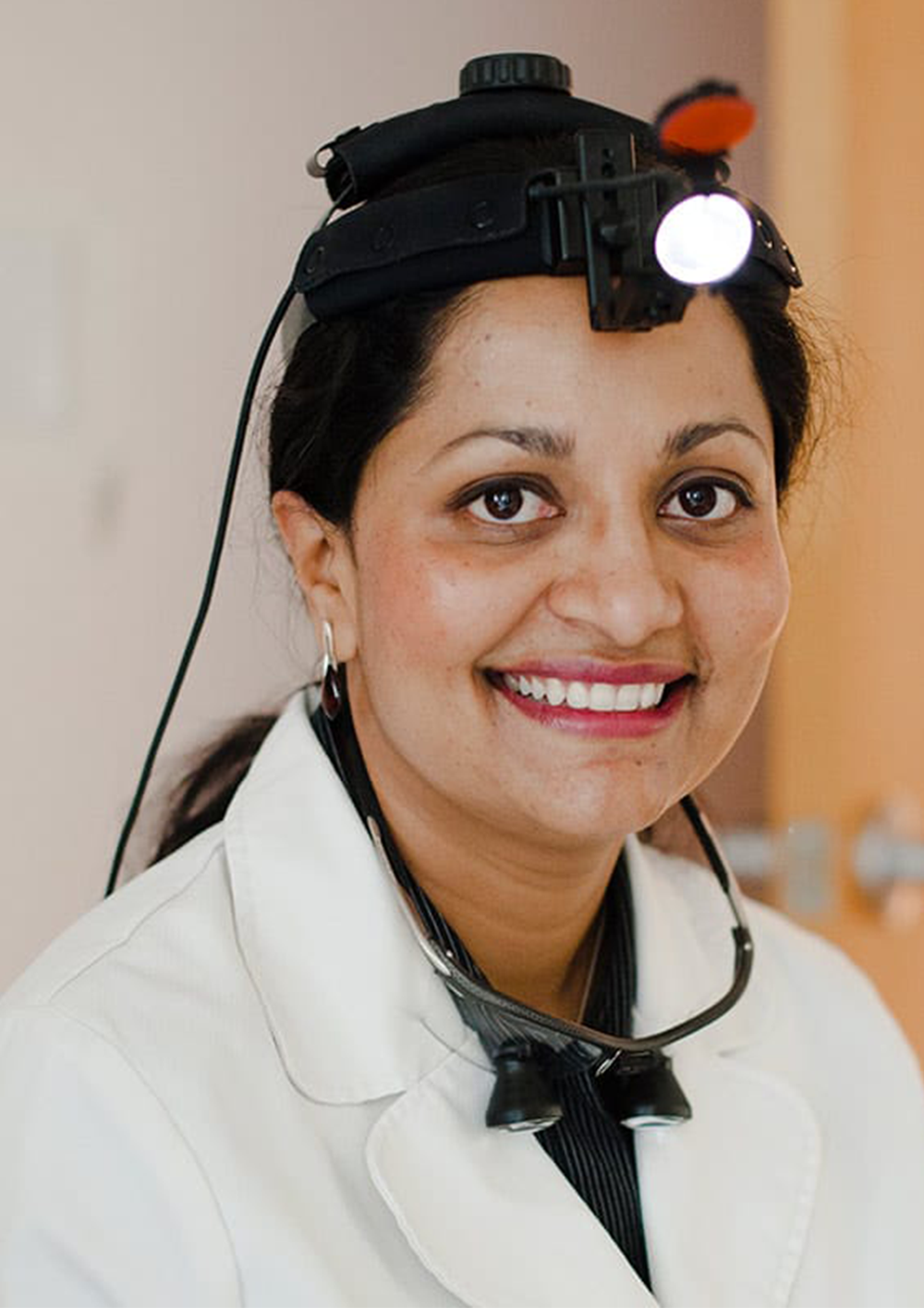
Dr. Sandhya Hegde
Dr. Sandhya Hegde became a dentist so she could make a difference in her patients’ health and well-being. She understands the important role that oral health plays in a person’s overall health, and she wants to help each patient enjoy the best health possible.
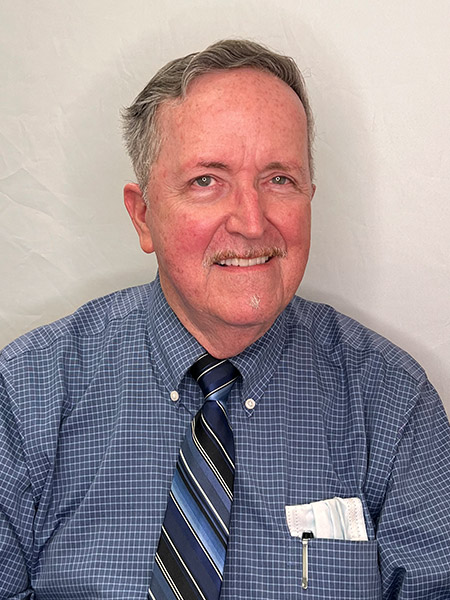
Dr. Gary Sigafoos
Dr. Gary Sigafoos received his DDS degree in 1971 and his MS in periodontics in 1977, both from Temple University. He joined our team in 2021, but has been practicing dentistry since 1979. Over the years, Dr. Sigafoos has appeared on multiple local and national television programs for his expertise in periodontics. He was one of the first periodontists in San Diego County to focus on soft tissue management programs.
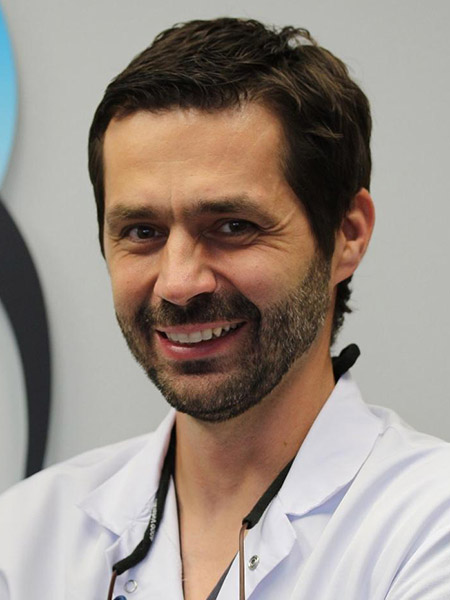
Dr. Haris Lakisic
Dr. Haris Lakisic has an eye for detail and felt that dentistry would be a good fit with his skills. He graduated magna cum laude from Pepperdine University with a bachelor’s degree. in biology. He then received his DDS from the University of Pennsylvania in 2003 and an MS in endodontics from the University of Pennsylvania in 2006.
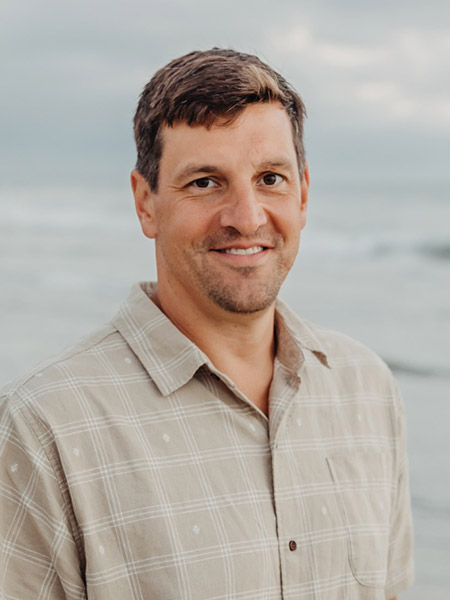
Dr. Thomas Brislin
Thomas V. Brislin Jr., the youngest of six siblings, grew up in Harveys Lake, Pennsylvania, where he developed a love for sports, excelling in soccer and volleyball and becoming a passionate water sports enthusiast.
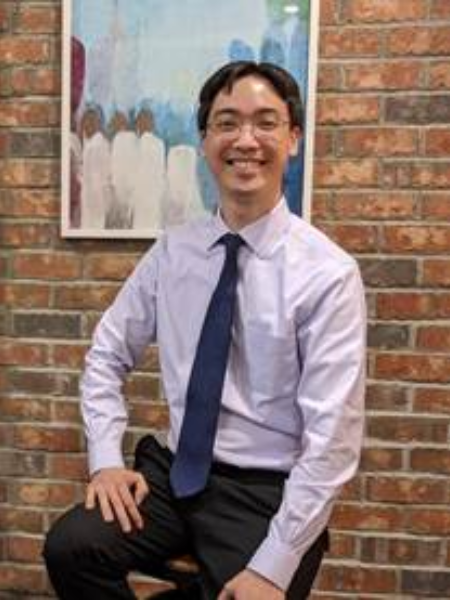
Dr. Abraham Tang
Bio coming soon…
Why Choose Us

Oral Surgery
What to Know Before Your First Oral Surgery Consultation
Some dental problems go beyond what a filling or crown can fix. When a tooth or surrounding bone has broken down too far, surgery is the most direct way to stop the damage and protect your oral health.
Who is a candidate for Oral Surgery?
You may need oral surgery if an impacted wisdom tooth is causing pain or crowding, or if tissue needs to be examined through a biopsy. Dr. Brislin reviews your medical history and imaging before recommending this route.
What does the Oral Surgery process involve?
Impacted teeth and biopsies are handled in-office, with I.V. sedation available for cases that call for a deeper level of comfort. Dr. Brislin walks you through each step beforehand and provides written aftercare instructions for recovery.
Where does Oral Surgery fit into your treatment plan?
Oral surgery is often one step in a larger plan rather than a standalone procedure. A biopsy result or a surgically removed tooth typically shapes what comes next, whether that’s restorative work or a referral to another specialist on the team.
When is the right time to consider Oral Surgery?
Suspicious tissue or a painful impacted tooth doesn’t resolve on its own. The sooner a biopsy or surgical consultation happens, the sooner you have real answers and a clear next step.
Why choose Oral Surgery over the alternatives?
Leaving a non-restorable tooth or suspicious tissue unaddressed doesn’t protect your health; it only lets damage or infection continue. A 2025 systematic review found that going without a replacement tooth results in edentulism. a condition linked to adverse outcomes in older adults, one more reason surgical evaluation and treatment shouldn’t be put off.
Leaving an Infected Tooth in Place Puts More Than One Tooth at Risk
Infection from a damaged tooth can spread to the jaw, nearby teeth, or the bloodstream. A clinical reference from the National Institutes of Health notes that in adults, odontogenic infections are the primary cause of deep neck infections, so a small problem left alone can become a hospital-level emergency.
Endodontics
What Root Canal Treatment Actually Involves
Pain that lingers after eating or a tooth your dentist calls infected usually means the problem is inside the tooth. Endodontic treatment works from the inside out, often saving a tooth you’d otherwise lose.
Who is a candidate for Endodontics?
You may be a candidate if a cavity has reached the nerve, a crack caused internal damage, or you have persistent pain around one tooth. Dr. Lakisic confirms the tooth is strong enough to restore before proceeding.
What does the Endodontics process involve?
Dr. Lakisic uses rotary instruments to clean, disinfect, and seal the canal, usually in one or two visits. A crown typically follows to protect the tooth from cracking.
Where does Endodontics fit into your treatment plan?
Root canal treatment happens before any crown or restoration is placed. In some cases, periodontal surgery or grafting is needed first if the infection reaches the surrounding tissue.
When is the right time to consider Endodontics?
A tooth infection won’t clear on its own, and waiting raises the risk it spreads to nearby bone or teeth. Treatment works best while the tooth structure is still intact enough to restore.
Why choose Endodontics over the alternatives?
Extraction removes the infection, but it also removes the tooth, and replacing it with an implant or bridge adds cost and time. A Swedish cohort study comparing the two options found a significant improvement in health state values in the tooth-preserving group, supporting root canal treatment when the tooth can be saved.
When Pulp Infection Goes Untreated, the Bone Becomes the Next Target
Left unaddressed, pulp infection can advance into the surrounding bone and form an abscess. The NIH’s clinical reference on apical periodontitis notes that untreated infections (these lesions may spread through the bone to other fascial spaces causing abscesses, at which point treatment becomes more involved and the tooth is harder to save.
Cosmetic Dentistry
How Cosmetic Dentistry Addresses the Details Routine Care Doesn’t Touch
If you pull back your smile in photos or feel your teeth don’t match how you present yourself, cosmetic dentistry handles the details routine care doesn’t touch, without looking overdone.
Who is a candidate for Cosmetic Dentistry?
Most adults with healthy teeth and gums qualify for at least one treatment, including staining, chips, gaps, or a gummy smile. Active decay or gum disease is treated first, since cosmetic work needs a stable foundation.
What does the cosmetic dentistry process involve?
The team offers veneers, bonding, teeth whitening, Bioclear, Black Triangle closure, Gap Closure, and Gummy Smile Reconstruction, each starting with a consultation to confirm the right fit for your goals.
Where does Cosmetic Dentistry fit into your treatment plan?
Cosmetic work is sequenced after restorative or periodontal treatment is finished. Bonding and whitening are often one visit; veneers involve a preparation visit and a placement visit.
When is the right time to consider Cosmetic Dentistry?
If Invisalign or clear aligners are already planned, cosmetic work affecting tooth shape or color is usually timed after alignment finishes. If your bite is already stable, you can start once your oral health is confirmed.
Why choose Cosmetic Dentistry over the alternatives?
Over-the-counter strips and store-bought kits don’t match professional results. A peer-reviewed comparative study on OTC whitening products found that in-office and at-home professional teeth whitening is recommended for individuals seeking better whitening outcomes than toothpaste alone.
A Chip Left Alone Can Become a Structural Problem
A chip ignored can deepen with normal chewing pressure. A three-year study through the National Dental Practice-Based Research Network found a meaningful share of untreated cracked teeth had some type of crack progression, so what starts as a cosmetic concern can grow into a structural one.
Dental Implants
What to Know About Replacing a Missing Tooth with an Implant
A missing tooth affects more than your smile. It changes how you chew, how neighboring teeth shift, and how the jawbone underneath is maintained. Dental implants replace both the root and the crown, giving you back a tooth that looks and functions like your own.
Who is a candidate for Dental Implants?
Most adults with a missing tooth and enough healthy jawbone are candidates, whether you’re replacing one tooth or several. Dr. Brislin evaluates bone density and gum health first, since implants need a stable foundation to succeed.
What does the Dental Implant process involve?
A titanium post is placed in the jawbone and given time to fuse with the bone before a custom crown is attached. Single implants, multiple implants, and full-arch All-on-X options are all available depending on how many teeth need replacing.
Where do Implants fit into your treatment plan?
Implants typically follow an extraction or a period of healing if the tooth has already been removed. Dr. Brislin and Dr. Hegde coordinate the surgical and restorative phases so the timeline stays on track.
When is the right time to consider Implants?
The sooner a missing tooth is replaced, the less time the jawbone has to shrink from lack of stimulation. Waiting years to replace a tooth can make the eventual implant more complex and may require bone grafting first.
Why choose Implants over the alternatives?
Unlike a bridge, implants don’t require grinding down the healthy teeth on either side of the gap. A peer-reviewed retrospective study comparing the two options found that pooled success rates at 5 years for implant-supported single crowns were higher at 95% compared with natural-tooth-supported bridges at 84%, on top of the fact that implants stimulate the jawbone the way a natural tooth root does, which a bridge or denture cannot replicate.
Leaving a Gap Unaddressed Affects More Than the Missing Tooth
An empty space doesn’t stay empty for long. Neighboring teeth can drift, and the opposing tooth can over-erupt into the gap. A PubMed-indexed systematic review on post-extraction healing found horizontal bone loss of 29-63% and vertical bone loss of 11-22% within six months of a tooth being removed, so the longer the space goes unaddressed, the more bone and alignment shifts complicate a future implant.
Invisalign
What to Know About Straightening Your Teeth with Invisalign
Crowded teeth, gaps, or a bite that doesn’t quite line up don’t always call for metal brackets and wires. Invisalign uses a series of clear, custom-fit aligners to gradually move your teeth with far less visibility than traditional braces.
Who is a candidate for Invisalign?
Most teens and adults with mild to moderate crowding, spacing, or bite issues are good candidates. Dr. Tang reviews your bite and alignment goals to confirm Invisalign will get you the result you’re after.
What does the Invisalign process involve?
A digital scan of your teeth maps out your entire treatment, from your current smile to your final result. You’ll switch to a new set of aligners every one to two weeks, with periodic check-ins to track progress.
Where does Invisalign fit into your treatment plan?
Any active decay or gum disease is treated first, since Invisalign works best over a stable, healthy mouth.
When is the right time to consider Invisalign?
Crowding and bite issues don’t resolve on their own, and they can make teeth harder to clean over time. Starting sooner also means less overall treatment time in many cases.
Why choose Invisalign over the alternatives?
Clear aligners are removable, which makes eating and cleaning your teeth easier than with fixed braces. A peer-reviewed comparative study measuring plaque and gum health found that fixed braces groups were significantly higher after three months than in the clear aligners group for plaque and gingival inflammation, supporting aligners as the easier option to keep clean during treatment.
Leaving Crowded or Misaligned Teeth Untreated Adds Up Over Time
Crowded teeth are harder to clean properly, which raises the risk of decay and gum disease in the areas that get missed. A PubMed-indexed literature review on tooth crowding noted that difficulty cleaning these areas predisposes teeth to dental caries and periodontal disease, and an uneven bite can also add extra wear to certain teeth over the years.
Extractions
What to Know Before a Tooth Extraction
Sometimes a tooth is too damaged, decayed, or crowded to keep, and removing it is the most straightforward way to protect the rest of your mouth. Knowing what to expect makes the decision and the recovery much easier.
What does the Extraction process involve?
Who is a Candidate for an extraction?
You may need an extraction if a tooth is fractured beyond repair, severely decayed, impacted, or contributing to crowding that orthodontic treatment can’t resolve on its own. Dr. Brislin confirms this with an exam and imaging.
What does the Extraction process involve?
Most extractions are completed in-office under local anesthesia, with sedation available for more complex cases like impacted wisdom teeth. You’ll receive written aftercare instructions to support healing.
Where does an Extraction fit into your treatment plan?
An extraction is often the first step toward a larger plan, whether that’s an implant, a bridge, or simply relieving crowding before Invisalign begins.
When is the right time to consider an Extraction?
A severely damaged or infected tooth won’t heal on its own, and delaying removal can allow the problem to affect nearby teeth or bone. If extraction has already been recommended, earlier is generally easier to recover from.
Why choose Extraction over the alternatives?
When a tooth truly can’t be saved, keeping it in place only delays the inevitable while the infection or damage continues. A peer-reviewed review of extraction timing in acute infection found that removing the tooth promptly leads to faster resolution of the infection, decreased pain, and earlier return of function and oral intake compared with waiting, clearing the way for whatever replacement or realignment comes next.
Delaying a Needed Extraction Can Complicate Recovery
The longer a severely damaged tooth stays in place, the more likely surrounding bone or gum tissue is affected. A peer-reviewed study on impacted tooth management found that delayed care can increase the likelihood of potential complications, such as delayed healing and inferior alveolar nerve damage, which can make the eventual extraction more involved and slow down healing afterward.
Services We Provide
Let’s Get Your Smile Started with a Dentist in La Jolla San Diego!
Every concern covered on this page, whether it involves a tooth that needs to come out, an infection that has reached the nerve, or a smile you’ve been wanting to change for years, has a clear path forward with a dentist in La Jolla San Diego who knows your history. Dr. Sandhya Hegde and the Center for Dental Health La Jolla team are ready to review your situation and help you understand your options. Book your visit today, and follow the practice on Facebook and Instagram for smile tips, office updates, and a closer look at the team before you ever sit in the chair.
Testimonials

FAQs
Do you accept appointments?
Yes, we do accept appointments at our dentist’s office. In fact, we highly recommend that you book an appointment with us in advance to ensure that you receive the best possible care.
Do I need to arrive early for my first appointment?
Yes, please arrive at least 10-15 minutes early to fill out any patient forms.
What should I bring to my first dental appointment?
Bring a valid photo ID, your insurance card if applicable, and a current list of any medications you take. New patient forms are available online before your visit, which saves time when you arrive.
What can I expect during my first visit to the Center for Dental Health La Jolla?
Your first visit includes a full exam, diagnostic imaging, and a conversation about your oral health history and goals. The team explains what they find and what your options are before recommending any treatment. Patient education is a priority here, so you’ll leave your first appointment with a clear picture of your current oral health and what, if anything, needs attention.
What are the office hours and how do I schedule an appointment?
The office is open Monday through Thursday from 7:30 AM to 4:30 PM. Friday appointments are available by request. The practice is closed on weekends. To schedule your visit, use the contact page on the website to reach the team directly.
What forms of payment do you accept?
We accept checks, cash, credit cards, and most PPO insurance plans. Contact our office so a member of our team can verify your insurance or visit our Payment Options page for more information!
How often should I visit the dentist?
It is important to schedule routine checkups and cleanings to keep your teeth and gums healthy. It is recommended by the ADA to visit the dentist at least once every six months. Contact us now to book your appointment and take the first step toward optimal oral health!
What services do you offer?
We are happy to offer a variety of services including
Does the practice offer sedation options for patients with dental anxiety?
Yes. The practice offers IV sedation, nitrous oxide, and oral sedation. The right option depends on the procedure and your comfort level. During your consultation, the team reviews your medical history and discusses which approach fits best. Sedation is available for both surgical and non-surgical procedures.
How does the specialist team at Center for Dental Health La Jolla work together?
The practice uses a collaborative model where Dr. Hegde coordinates care across specialists. When a procedure requires a periodontist, endodontist, oral surgeon, or orthodontist, that specialist steps in without requiring you to find a separate office or manage your own referrals. This dentist team structure means your treatment plan is managed from start to finish in one place.