Sleep apnea is a very common sleeping disorder that affects a person’s breathing while they sleep. When the tongue falls back and blocks the airway, oxygen levels in the blood decrease, and carbon dioxide levels go up. Sleep apnea may result in daytime sleepiness, difficulty concentrating, and slow reflexes. If left untreated, it can lead to more serious health problems such as high blood pressure, diabetes, depression, heart failure, and stroke.
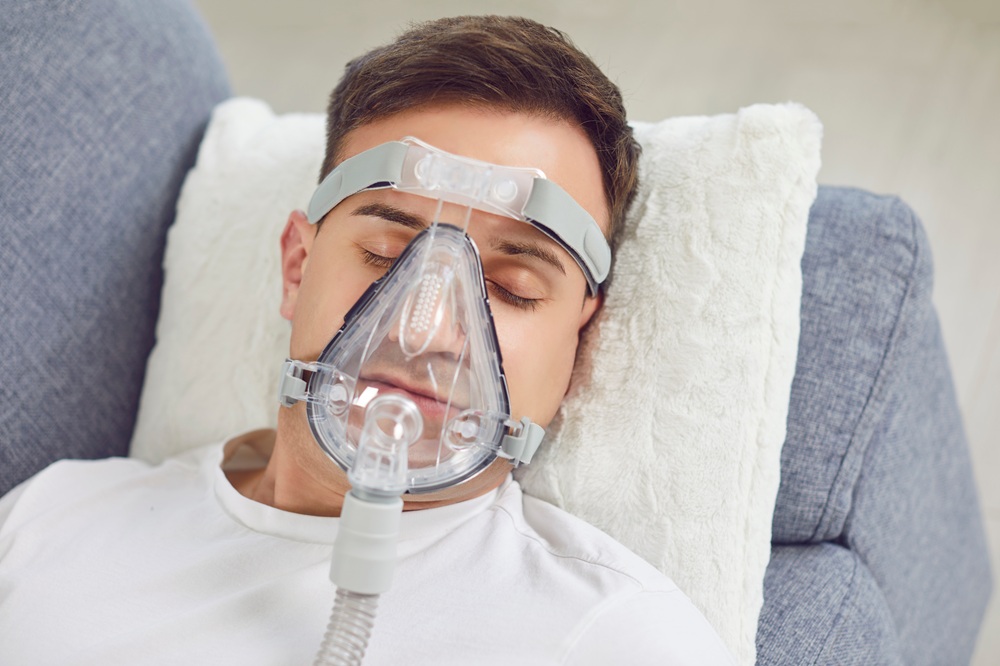
The most common device prescribed by doctors is a continuous positive airway pressure mask (CPCP). Because the mask must be worn all night, sleeping comfortably is very difficult and most patients reject this method. A variety of surgical options are available but each procedure comes with side effects and different success rates.