
Can you eat after a root canal in exactly two hours? Not always. Two separate timelines control that answer, and they don’t finish at the same time.
The first timeline is how long your mouth stays numb. The second is how long your tooth needs protection. Most people track only the first, which is why the “2-hour rule” gets repeated so often.
Key Takeaways
- Your anesthetic type, not a fixed clock, decides how long numbness lasts.
- Bupivacaine can keep you numb for hours longer than lidocaine.
- A temporary restoration protects your tooth for weeks, not just one day.
- Chewing on the treated side can crack or dislodge that filling.
- Soft foods on the opposite side are safe once feeling returns.
Wait, The 2-hour rule might be wrong for you?
Any dental procedure that numbs your mouth follows the same basic pattern. Local anesthesia goes in, the work happens, then feeling slowly returns. Root canals just add a second dose at the end, which extends that timeline for many patients.
What Happens During Local Anesthesia
Your dentist gives local anesthesia before starting so the treatment itself doesn’t hurt. Many dentists give a second dose once the procedure wraps up. That extra dose isn’t a mistake or an upsell.
It’s meant to keep the tooth numb while early soreness sets in. That eases you into the recovery process before pain has a chance to spike.
Does the type of anesthetic change how long you have to wait?
Yes, and the gap between options is bigger than most patients expect. Dentists commonly use two anesthetics at the end of a root canal, and they wear off on very different schedules:
- Lidocaine (short-acting): numbness typically fades in 2 to 4 hours.
- Bupivacaine (long-acting): dental anesthesia research describes it as a long-acting agent with effects lasting up to eight hours.
That’s where the confusion starts. If your dentist chose bupivacaine, the “2-hour rule” simply doesn’t apply to your recovery time. You could still be numb at hour six.
How to Tell When It’s Safe to Eat
Checking the clock isn’t reliable. Checking your sensation is. Wait until your lips, cheeks, and tongue feel completely normal before you eat anything.
Eating while numb risks biting your cheek or tongue without feeling it happen. Some tooth sensitivity, dental pain, and mild mouth swelling are normal after treatment. Dental inflammation can add to that discomfort.
Adding a bite injury on top of that makes the first few days rougher than they need to be.
Here’s The Part Nobody Tells You About Your Temporary Filling
Numbness wearing off doesn’t mean your tooth is ready for normal use. That’s the part the “2-hour rule” leaves out completely. Recovery has a second phase that lasts weeks.
What Happens Inside the Tooth During Treatment
During endodontic treatment, your dentist removes the infected dental pulp from inside the tooth. Anatomical research confirms the pulp is made of connective tissue, blood vessels, and nerves. That’s exactly why an infected tooth can hurt so much before treatment.
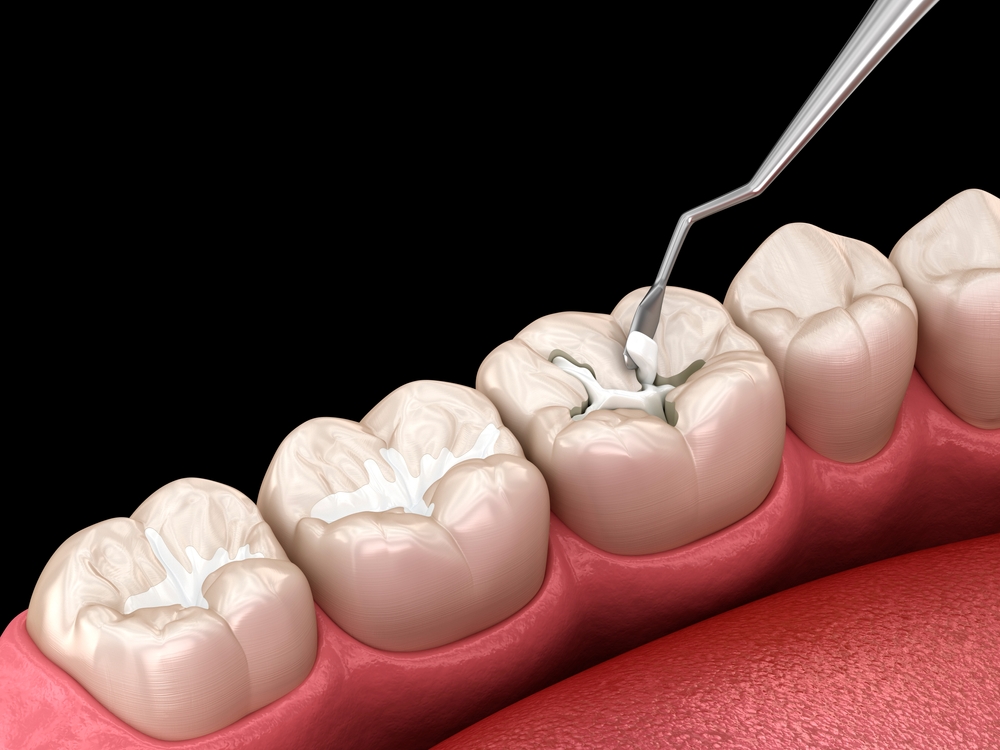
Unlike a dental extraction, a root canal keeps the natural tooth in place. Your dentist cleans out the space, seals it, then covers it with a temporary filling. You’ll wear that while you wait for a permanent crown or filling.
Why the Temporary Restoration Matters
That temporary restoration has one job: keeping bacteria out. Research on restoring treated teeth confirms these fillings must act as an effective barrier against salivary contamination. That barrier needs to hold until the permanent version goes in.
This filling isn’t built for chewing pressure. Other dental treatments involving temporary materials follow the same rule: they hold for a few weeks, not indefinitely. If it cracks or comes loose, it exposes the underlying dental tissues to bacteria.
Post-Op Instructions to Follow
Post op instructions from dentists are consistent here, and your own post-care instructions will likely say the same:
- Avoid biting hard objects on the treated side.
- Keep up gentle brushing and flossing near the area.
- Schedule your permanent restoration promptly.
Basic post-operative care means protecting the tooth for the full window. That’s often several weeks, not just the first day after your appointment.
What can you actually eat? (And What Will Wreck Your Recovery)
Once numbness fades, the question shifts from “when” to “what.” Good food options protect your temporary filling and support your overall dental health while you heal.
Best Food Options After Your Procedure
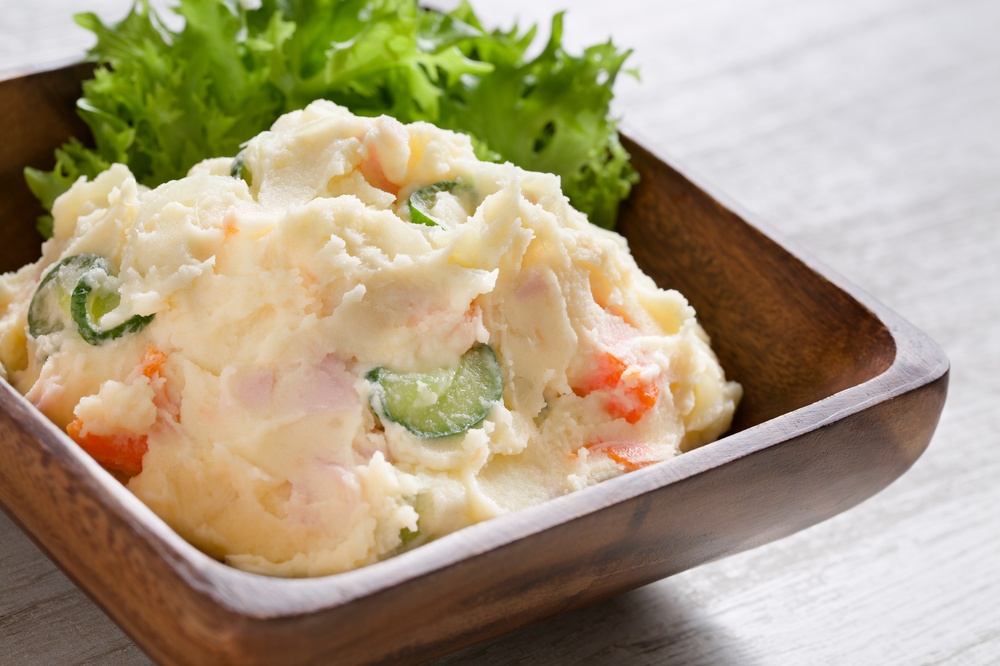
Soft foods on the untreated side are the right starting point. Your post-treatment diet doesn’t need to be bland:
- Mashed potatoes, scrambled eggs, yogurt, soup, and ice cream
- Smoothies and other liquid foods for the first day or two
- Soft fruits and vegetables, like ripe bananas or well-cooked carrots
- Herbal teas, kept warm rather than hot, since tooth sensitivity to temperature is common
A full liquid diet isn’t required. The goal is simply avoiding pressure on the healing tooth.
Foods to Avoid During Your Post-Treatment Diet
Chewing on a still-tender tooth can trigger real discomfort. Postendodontic pain is common enough that research shows it can affect up to 58% of patients. That’s exactly why these food restrictions matter:
- Sticky foods like caramel, taffy, or gummy worms
- Chewy foods like bagels, tough meat, or chewing gum
- Hard foods like nuts, raw carrots, and hard candy
Why the Recovery Process Takes Weeks, Not Days
These restrictions don’t expire after day one. The recovery process runs until your dentist places your permanent crown or filling, often several weeks out.
Keeping up good oral hygiene during that stretch, including gentle brushing, supports healing without disturbing the temporary restoration.
Can you eat after a root canal safely? Let’s Make Sure
Can you eat after a root canal without setting your recovery back? Only once numbness fully wears off, and only with soft foods on the untreated side. Bupivacaine users may wait roughly twice as long as lidocaine users before eating comfortably, and everyone needs to protect the temporary filling for weeks afterward, not just the first day.
Every root canal heals a little differently, and only your own dentist knows exactly what was done during your visit. Dr. Sandhya Hegde, D.D.S., B.D.S., at the Center for Dental Health La Jolla can walk you through your specific healing timeline and answer any questions about your recovery. Reach out to our team!
FAQs
How long after a root canal can you eat solid food?
This depends entirely on your anesthetic type, so there’s no single answer that fits every patient. A good rule of thumb: if you can sip water without it dribbling or pooling, your feeling has likely returned enough to eat. Most people can manage solid food within the same day, though comfort levels vary. Always check with your dentist if you’re unsure.
Is it okay to drink water immediately after a root canal?
Yes, water is one of the few things considered safe almost immediately, even while numbness lingers. Unlike solid food, there’s little risk of biting your cheek while drinking, though a straw can still create unwanted suction near the treatment site. Room temperature is best in the first few hours. Sipping slowly rather than gulping also reduces any pressure buildup around the tooth.
What happens if you eat on the side where you had a root canal?
Beyond the risk to your temporary filling, chewing on the treated tooth can also aggravate nearby gum tissue that’s still settling after the appointment. Some patients notice a dull ache that lingers longer than expected simply because they kept favoring that side out of habit. Switching your chewing pattern early on prevents this compounding irritation. It’s a small adjustment that pays off during your follow-up visit.
How long does a temporary filling last after a root canal?
Its lifespan depends on the material used and how well you avoid pressure on it, not just a fixed calendar countdown. Some temporary fillings hold up fine for a month, while others start wearing thin within two weeks if you don’t adjust your chewing habits. Your dentist sets the exact timeline based on your case. Missing your scheduled follow-up is the most common reason temporary fillings fail early.
Can you brush your teeth normally after a root canal?
Most patients can resume their normal brushing habits everywhere except directly around the treated tooth, where a lighter touch helps protect the temporary restoration. A soft-bristled brush reduces unnecessary pressure on nearby sensitive gum tissue. Mouthwash is generally fine unless your dentist advises otherwise for a specific reason. Skipping oral care entirely during recovery actually raises your infection risk, not lowers it.