
Gum surgery brings a wave of anxiety for most patients before they understand what the procedure actually involves. Periodontal disease is the reason surgical treatment becomes necessary in the first place, and it affects millions of adults. Three specific concerns tend to dominate the conversation before treatment: recovery pain, donor-site discomfort, and the type of anesthesia required. This article breaks down what peer-reviewed research actually says about each one.
Key Takeaways
- Preoperative education measurably reduces fear and anxiety before periodontal procedures.
- Pain, swelling, and bruising scores drop close to zero within the first week for most patients.
- Donor-site discomfort from gum grafting is well studied and actively managed by the dental team.
- Local anesthesia produces pain outcomes similar to general anesthesia for most procedures.
- Informed patients consistently report less fear than patients who go in without details.
Dental Anxiety Before Gum Surgery Is More Common Than You Think
Fear of the dentist is one of the most common reasons patients delay dental care. It often gets worse when surgery is involved. A systematic review examined how preoperative information affects patients’ well-being. It found that between 10% and 80% of surgical patients experience some fear before their procedure.
Common Forms Dental Anxiety Can Take
Dental fears take many forms, and none of them are unusual:
- Dental phobia, a specific phobia disorder that leads some patients to avoid dental treatment for years
- Fear of dental appointments rooted in past dental trauma
- A broader anxiety disorder that raises distress before any medical or dental procedure
None of these responses prevent someone from receiving care.
Does preoperative education actually help with dental procedures?
It does. Structured preoperative education produced a significant reduction in reported fear and anxiety, moving the rate from 60% down to 26.2%. Emotional support matters here too.
Knowing what each step involves helps reduce anxiety. Having specific questions answered lowers the mental load even further. Many periodontists also rely on 3D imaging during planning, which gives patients a clearer picture of what to expect before treatment starts.

Fear #1: The Pain Will Be Severe
Most patients focus their worry on recovery. Oral surgery involves working on live tissue, and managing pain at home afterward feels uncertain.
What the Research Says About Post-Surgical Pain
A study measuring patient-reported outcomes after periodontal surgery tracked pain, swelling, and bruising through the first week of recovery. For most patients, scores across all three approached zero by day seven.
Discomfort Levels by Procedure Type
Outcomes varied by procedure type:
- Crown lengthening produced the lowest discomfort scores.
- Osseous surgery for bone loss landed in the middle range.
- Soft tissue graft procedures produced the highest scores in the study group, though still within the well-tolerated range.
Post-operative discomfort varies across procedures. Knowing where a procedure lands on that range gives patients a realistic picture instead of a worst-case assumption.
What the Recovery Process Actually Looks Like
Soft foods are typically recommended for a set period. Your dental team will also give you specific oral hygiene instructions to protect the surgical site. Modern dental instruments and dental tools limit trauma to the tissue. This is part of why the recovery process tends to be shorter than patients expect.

Fear #2: Donor-Site Discomfort From Gum Grafting Will Be Unmanageable
Patients facing gum grafting for gum recession often worry about a second pain source: the donor site. The surgeon takes tissue from the palate to rebuild the gum line over an exposed tooth root. That area needs time to heal. The concern is that managing two sites at once will be too much.
Why the Donor Site Gets So Much Attention
Untreated gum recession raises the risk of root damage and ongoing sensitivity. This is part of why periodontists take donor-site healing seriously. A review of graft-harvesting outcomes organized outcome measurements related to postoperative patient-reported morbidity. Clinicians rely on these measurements to track healing after a graft.
Free Gingival Grafts vs. Connective Tissue Grafts
The review also found a clear difference between graft types:
- Free gingival grafts are associated with more donor-site pain.
- Connective tissue grafts typically involve less donor-site discomfort while achieving a similar clinical result.
We factor that difference directly into surgical planning. The donor-site discomfort is real, but it is also predictable, studied, and accounted for before the procedure begins.
Fear #3: You Probably Don’t Need General Anesthesia
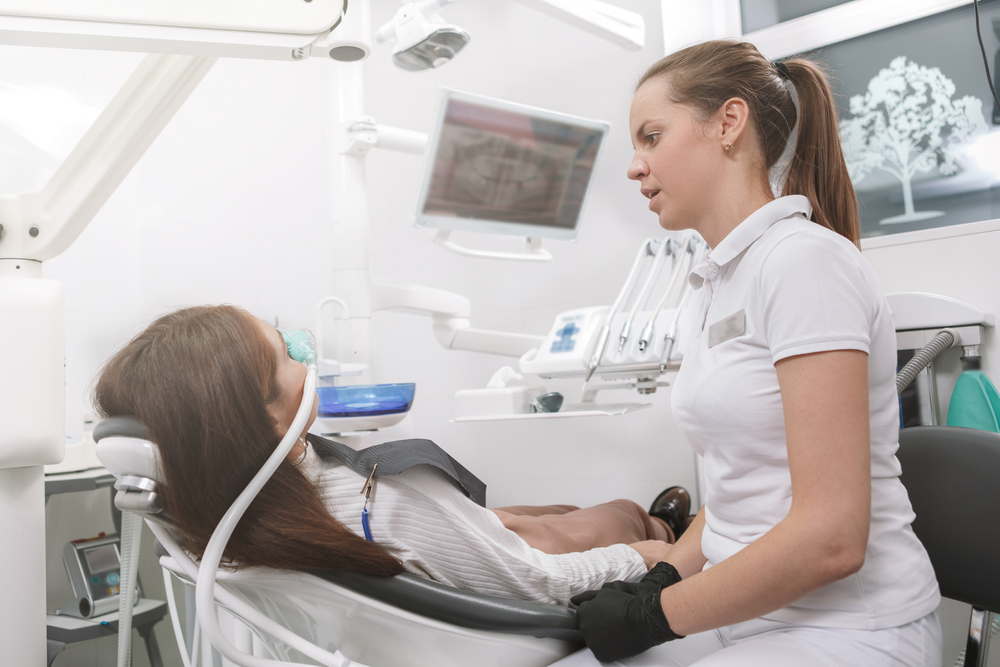
The third fear is one of the most common: patients assume periodontal procedures require general anesthesia. For most patients, that assumption doesn’t hold up.
Local Anesthesia vs. General Anesthesia: What the Research Found
One study compared local and general anesthesia for oral surgery. It found that postoperative pain was tied to operation time rather than the anesthetic methods. This suggests local anesthesia works as well as general anesthesia for most procedures. General anesthesia puts a patient fully unconscious, requires additional medical oversight, and carries a longer recovery period.
Sedation Options for Patients Who Need More
Sedation dentistry addresses the gap for patients who need more than local anesthesia alone. Common sedation options include:
- I.V. sedation for a deeper level of comfort
- Oral conscious sedation
- Nitrous oxide as a mild anxiolytic, where available
What Determines the Right Choice for You
Patient comfort drives the choice of anesthesia, and that choice also reflects the treating provider’s dental skills. Each patient’s dental experience depends on an honest conversation. This covers anxiety level, medical history, and the procedure itself. That conversation happens before the appointment, not during it, with an Oral Surgeon or periodontist guiding the decision.
Your Gum Surgery Questions, Finally Answered by Research
Gum surgery is far more manageable than the fear around it suggests. Recovery pain fades within days, donor-site discomfort is well managed with established protocols, and local anesthesia covers most procedures without the added risks of general anesthesia. A lot of the pre-surgery dread comes from not knowing these details ahead of time, not from the procedure itself.
At the Center for Dental Health La Jolla, Dr. Sandhya Hegde, D.D.S. B.D.S. and the team walk every patient through what to expect before treatment begins, so they can answer questions before you’re in the chair. When you’re ready to talk through your specific situation, connect with our practice today!
FAQs
What is gum surgery?
Gum surgery is a category of periodontal procedures used to treat gum disease, correct gum recession, or address bone loss around the teeth. Common types include osseous surgery, gum grafting, and crown lengthening. Periodontists usually recommend surgery only after nonsurgical options like deep cleaning have not fully resolved the problem. Some procedures also improve the appearance of the gum line.
Is gum disease surgery painful?
Most patients find it far less painful than they expected. Discomfort typically peaks within the first 48 hours and eases steadily after that. Over-the-counter pain relievers are usually enough for most people, and your periodontist may prescribe a rinse to reduce swelling. Ice packs on the outside of the face can help manage any initial puffiness.
How long does gum surgery take?
Procedure length depends on the type of surgery and how many areas need treatment. A single graft site might take under an hour, while more extensive osseous surgery can run longer. Your periodontist will give you a specific estimate during your consultation. Most patients also need a short follow-up visit one to two weeks later to check healing progress.
How do I prepare for gum graft surgery?
Preparation starts at your consultation, where your periodontist reviews your health history and answers questions about the procedure. You will get instructions on medications to pause, foods to stock up on, and whether you need a ride home. Quitting smoking beforehand can improve your recovery and outcome after surgery. Bring a list of questions so nothing feels unclear on surgery day.
What is the difference between a connective tissue graft and a free gingival graft?
Both procedures use tissue from the roof of the mouth to treat gum recession, but they differ in comfort and recovery. Free gingival grafts are associated with more donor-site pain than connective tissue grafts, which is why many periodontists prefer connective tissue grafts when the clinical outcome would be similar. Recovery time can also vary depending on the technique and number of sites treated.
Citations/Sources
- https://pmc.ncbi.nlm.nih.gov/articles/PMC12456624/
- https://pmc.ncbi.nlm.nih.gov/articles/PMC11337772/
- https://pmc.ncbi.nlm.nih.gov/articles/PMC11297695/
- https://pmc.ncbi.nlm.nih.gov/articles/PMC8106935/
- https://pmc.ncbi.nlm.nih.gov/articles/PMC8234107/
- https://medlineplus.gov/ency/patientinstructions/000437.htm