Dental Excellence with Fantastic Results
Part of our patient commitment is to provide a high level of exceptional service with advanced technology each day.
Learn More
A Compassionate and Competent Staff
Your smile is our top priority, our entire team is dedicated to achieving personalized results in the most gentle manner.
Learn More
Meeting Your Preventative and Cosmetic Needs
The team and doctor possess years of experience meeting your cosmetic and preventive dentistry needs.
Learn More








Experience High Quality Dentistry At Our La Jolla Dentist
A Clairemont dentist who handles more than routine cleanings can make all the difference when a problem needs real attention instead of a quick fix. Dr. Sandhya Hegde, D.D.S., B.D.S. and the specialist team at Center for Dental Health La Jolla built this practice around exactly that idea, bringing oral surgery, endodontics, cosmetic dentistry, dental implants, Invisalign, and extractions into one coordinated practice. Every visit is built around your actual dental needs, not a routine handed to everyone who walks through the door, so you leave with a plan that reflects your situation and your goals.

Our Mission
The mission at Center for Dental Health La Jolla centers on one idea: your mouth doesn’t operate separately from the rest of your body, so your care shouldn’t either. Dr. Sandhya Hegde, D.D.S., B.D.S. has built every part of this practice around that connection, since problems like gum disease, infection, or jaw and bite issues rarely stay confined to the mouth if they’re left alone.
That thinking guides everything from a simple cleaning to a longer restorative or general dentistry plan. Patients aren’t rushed through a checklist here; they’re given time to ask questions and actually understand their options. The goal isn’t only a healthy mouth; it’s a confident smile built on trust, clear answers, and proven dental techniques matched to your specific treatment plan.

Preventive, Cosmetic, and Restorative Dentistry in San Diego
At Center for Dental Health La Jolla, care starts with listening, not just checking boxes. The team offers exams, x-rays, cleanings, fluoride treatments, dental sealants, cosmetic dentistry, teeth whitening, crowns, and veneers, explained in plain terms along the way. Dr. Sandhya Hegde keeps learning too, attending dental lectures and conferences to stay current with new developments in the field. If cost, oral health, or not knowing what to expect has ever kept you from booking a visit, here is what to know first.
What Affects Your Smile the Most
Cavities, gum disease, and tooth loss are common, and catching them early can help protect both your health and the smile you want to keep. From routine prevention to cosmetic dentistry, crowns, veneers, and dental implants, here is what patients often want to know before choosing care.
Meet the Doctor
Dr. Sandhya Hegde, D.D.S., B.D.S. founded this practice on the idea that a healthy mouth and a healthy body aren’t separate concerns, and that shows in how she built her team. Dr. Gary Sigafoos, the practice’s periodontist, earned his MS in Periodontics from Temple University in 1977 and has treated patients in San Diego since 1979. Dr. Haris Lakisic, the endodontist, graduated magna cum laude in biology and holds both a DDS and an MS in Endodontics from the University of Pennsylvania.
Dr. Thomas Brislin, who handles oral surgery, finished his training at Temple University School of Dentistry in 2011, and Dr. Abraham Tang rounds out the group as the practice’s orthodontist. Every dentist in Clairemont patients meet here has training specific to their part of your care, and Dr. Hegde still reviews each treatment plan herself before anyone presents it to you.
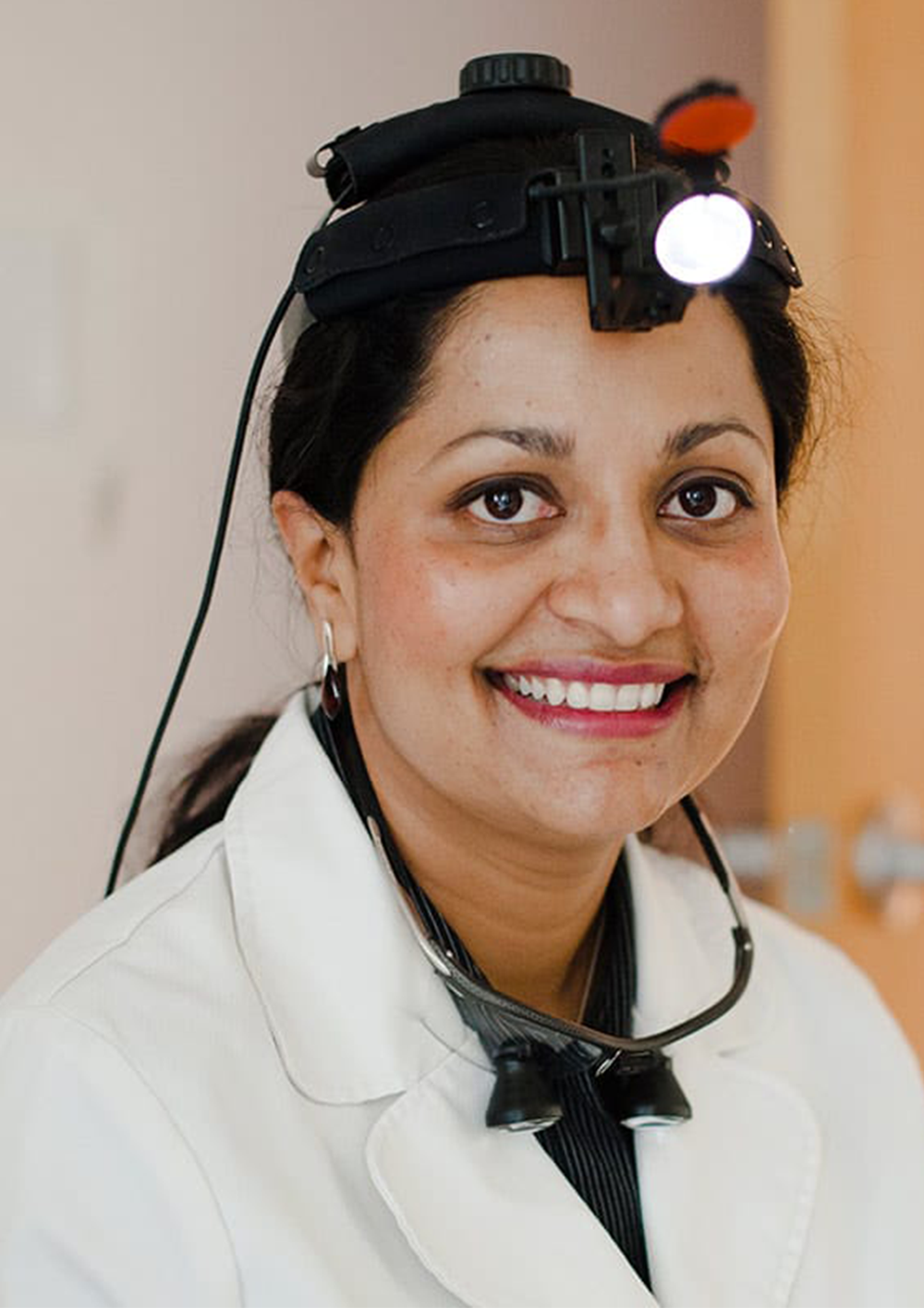
Dr. Sandhya Hegde
Dr. Sandhya Hegde became a dentist so she could make a difference in her patients’ health and well-being. She understands the important role that oral health plays in a person’s overall health, and she wants to help each patient enjoy the best health possible.

Dr. Gary Sigafoos
Dr. Gary Sigafoos received his DDS degree in 1971 and his MS in periodontics in 1977, both from Temple University. He joined our team in 2021, but has been practicing dentistry since 1979. Over the years, Dr. Sigafoos has appeared on multiple local and national television programs for his expertise in periodontics. He was one of the first periodontists in San Diego County to focus on soft tissue management programs.
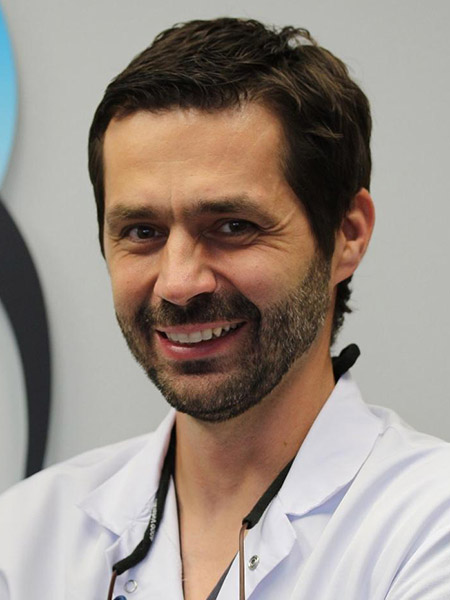
Dr. Haris Lakisic
Dr. Haris Lakisic has an eye for detail and felt that dentistry would be a good fit with his skills. He graduated magna cum laude from Pepperdine University with a bachelor’s degree. in biology. He then received his DDS from the University of Pennsylvania in 2003 and an MS in endodontics from the University of Pennsylvania in 2006.

Dr. Thomas Brislin
Thomas V. Brislin Jr., the youngest of six siblings, grew up in Harveys Lake, Pennsylvania, where he developed a love for sports, excelling in soccer and volleyball and becoming a passionate water sports enthusiast.

Dr. Abraham Tang
Bio coming soon…
Why Choose Us
Choosing a dentist your family can rely on for years takes more than one good appointment. Here are five reasons patients keep returning to this practice for both routine dental care and more complex treatment plans that touch more than one specialty at once.

Oral Surgery
Is Oral Surgery right for you?
Sometimes the answer to a dental problem isn’t a filling or a cleaning. It’s surgery. Whether that means removing a tooth that can’t be saved, examining tissue that looks unusual, or treating bone that’s been affected by infection, this section walks through who needs oral surgery, what to expect, and when to act.
Who is a candidate for Oral Surgery?
Oral surgery usually comes into play once non-surgical treatment has been ruled out. That covers impacted or painful wisdom teeth, a tooth too far gone to restore, or tissue that needs to be biopsied to rule out abnormal cell growth.
Patients with advanced gum disease sometimes need surgery too, if the bone underneath has already been affected. Dr. Brislin factors in your health history and how well you tend to heal before recommending this route.
What does the Oral Surgery process involve?
Dr. Brislin handles oral surgery cases directly, working from a digital scan that maps the surgical site before he picks up an instrument. Depending on what’s being treated, you might go through anywhere from one appointment for a straightforward extraction to a short series of visits that include a follow-up to check healing.
Where does Oral Surgery fit into your treatment plan?
For many patients, the surgical visit is the first domino, not the last one. A tooth that needs to come out usually clears the way for an implant later, and a biopsy result often determines what treatment comes next.
When is the right time to consider Oral Surgery?
Acting sooner rather than later tends to pay off with oral surgery. Wisdom teeth, for instance, come out more easily before the roots fully develop and before crowding starts affecting neighboring teeth. Persistent swelling, pain that won’t quit, pressure in the jaw, or a tooth you’ve already been told can’t be saved are all reasons to get a surgical opinion now rather than waiting to see if things improve on their own.
Why choose Oral Surgery Over waiting?
Antibiotics and time can only do so much for a tooth too damaged to restore or an infection that medication alone can’t clear. At that point, surgery is what actually resolves things. A peer-reviewed comparison of children treated for dental abscesses in a hospital emergency department found that those who received early surgical drainage needed hospital admission far less often than those managed with antibiotics alone: 49% versus 63%.
Repeated medication cycles without addressing the underlying source often lead to a more involved procedure later and a longer recovery, which is why surgical evaluation, not repeated prescriptions, is usually the more effective path once conservative treatment has been tried and failed.
Delaying Treatment Allows Infection to Spread Beyond the Tooth and Into Surrounding Bone
Oral infections don’t stay in one place. Once bacteria reach the surrounding bone, the damage is harder to reverse and may require additional procedures like bone grafting to restore what was lost. Beyond the local damage, infections that go untreated long enough can travel well past the mouth.
A case documented in a peer-reviewed surgical journal described a patient who developed multiple brain abscesses traced back to undetected tooth decay, a reminder that odontogenic infections are capable of spreading to distant organs and causing life-threatening illness if left unaddressed.
Endodontics
Is Endodontic treatment right for you?
Tooth pain that won’t quit, sensitivity that lingers after eating or drinking something hot or cold, or a tooth that aches for no clear reason: these are signals worth acting on. Endodontic treatment focuses on what’s happening inside the tooth. For many patients, it’s the reason they get to keep a tooth they thought was already lost.
Who is a candidate for Endodontic treatment?
Patients who need endodontic treatment typically have a tooth with a damaged or infected pulp. The pulp is the soft tissue inside the tooth that contains nerves and blood vessels. It can become infected from deep decay, a crack that lets bacteria in, or trauma that cuts off the tooth’s blood supply.
Common signs include pain that comes on without warning, sensitivity to heat or cold that doesn’t fade, swelling near the gumline, or a tooth that has started to darken.
What does the Endodontic treatment process involve?
Dr. Haris Lakisic, who holds an MS in Endodontics from the University of Pennsylvania, handles root canal treatment personally. He relies on rotary instruments, small, flexible files that spin to clean out the canal more thoroughly than hand tools alone, to clear the infected pulp and reshape the space before sealing it against future infection.
Most patients wrap up the procedure itself in one or two visits, and a protective crown goes on afterward once the tooth has settled.
Where does Endodontic treatment fit into your treatment plan?
Root canal treatment is scheduled when a tooth has pulp involvement that a filling or other surface-level fix can’t resolve. Once Dr. Lakisic completes the endodontic work, the tooth moves into the restorative phase, which typically means a crown.
When is the right time to consider Endodontic treatment?
The best time to act is before the infection reaches the bone. Pulp infections don’t always announce themselves with sharp pain right away. A recurring pimple on the gum near a tooth, pressure that builds and eases, or sensitivity that seems minor can all point to an infection that is already progressing. Waiting to see if the discomfort fades is rarely useful because infected pulp tissue does not heal on its own.
Why choose Root Canal Treatment over Extraction?
The main alternative to a root canal is pulling the tooth. Extraction stops the infection, but it creates a gap that affects how nearby teeth sit, how you bite, and how bone is maintained in that part of the jaw. A systematic review compiled for the U.S. National Institutes of Health’s database of quality-assessed evidence reviews compared root canal therapy against extraction with and without replacement.
The study found long-term survival for root canal-treated teeth was superior to fixed partial dentures, while extraction without replacement was tied to worse psychosocial outcomes. That combination of durability and preserved natural function is why saving the tooth, when it’s viable, is generally favored over pulling it.
An Untreated Pulp Infection Can Progress Into a Life-Threatening Systemic Condition
A pulp infection does not stabilize without treatment. It spreads through the root tip and into the surrounding bone, and from there it can reach the jaw, the neck, or the airway. A case published in a peer-reviewed pediatric medical journal documented an eight-year-old who developed Ludwig’s angina after dental caries were left untreated, a fast-moving and potentially fatal infection that progressed despite antibiotics and required urgent surgical drainage.
Treating a root canal at the point of diagnosis costs far less in money, time, and health risk than managing an infection that has spread beyond the tooth.
Cosmetic Dentistry
Is Cosmetic Dentistry right for you?
Maybe it’s a chip you’ve noticed every time you see a photo, or a shade of yellow that whitening toothpaste never quite fixed. Cosmetic dentistry deals with exactly these kinds of concerns: the ones that don’t threaten your health but do affect how confident you feel about your smile. The first step is sorting out what’s purely cosmetic from what might actually be a structural issue underneath.
Who is a candidate for Cosmetic Dentistry?
Good candidates for cosmetic dentistry have already completed any necessary restorative or gum treatment and are in stable oral health. The concerns that bring most patients in include staining that doesn’t respond to whitening, chipped or worn teeth, gaps between teeth, uneven gumlines, and teeth that are slightly out of position.
What does the Cosmetic Dentistry process involve?
Cosmetic dentistry services at this practice include dental veneers, bonding, teeth whitening, gummy smile reconstruction, Bioclear, black triangle closure, and gap closure. Veneers are thin porcelain shells bonded over the front of a tooth to adjust its color, shape, or size, while bonding uses a tooth-colored resin for smaller fixes like chips or gaps.
Bioclear and black triangle closure specifically target the dark triangular spaces that can open up between teeth near the gumline, something veneers don’t always solve on their own. In-office CAD/CAM milling means restorations are designed and finished on-site, shaded to blend with your surrounding teeth without an outside lab adding extra time.
Where does Cosmetic Dentistry fit into your treatment plan?
Cosmetic dentistry is the finishing phase of a treatment plan, not the entry point. Fillings, crowns, gum treatment, and implants are completed first, since the color and shape of cosmetic restorations are matched to a stable, finished smile. If orthodontic treatment is part of your plan, cosmetic work is scheduled after your teeth have reached their final position.
When is the right time to consider Cosmetic Dentistry?
Starting cosmetic work while teeth are still moving or while other treatment is unresolved tends to produce results that don’t hold up once everything else settles. If you’ve been putting off a consultation because you weren’t sure your mouth was ready, a quick evaluation will give you a clear answer either way.
Why choose professional Cosmetic Treatment over at-home options?
Whitening strips, snap-on veneers, and at-home kits are easy to find, but the results don’t hold up the same way. A randomized controlled clinical trial published in a peer-reviewed dental journal compared conventional whitening dispensed by a dental provider against two over-the-counter whitening systems, and found the professionally dispensed treatment produced a significantly greater color change than either OTC option.
Porcelain veneers placed by a trained clinician resist staining and hold their shape far longer than anything available without a dental visit.
Chips, Gaps, and Worn Teeth Left Untreated Often Escalate Into Structural Damage That Costs Far More to Fix
A small chip can turn into a crack over time. A gap left open can cause neighboring teeth to shift out of position, and worn teeth lose surface area, which changes how the bite functions and puts stress on the jaw.
A peer-reviewed study evaluating patients who delayed treatment after dental injuries found that pulp necrosis was present in over 90% of the delayed cases studied, along with elevated rates of tooth discoloration and root resorption tied to a worse long-term prognosis. Early treatment costs less and involves fewer procedures than waiting until the damage has compounded.
Dental Implants
Is a Dental Implant right for you?
Losing a tooth changes more than your smile, whether it shows or not. Chewing shifts to compensate, the teeth nearby start to lean into the open space over time, and the jawbone underneath begins losing density without a root there to stimulate it. This section covers who’s a good candidate, what the process looks like, and why timing matters more than most people expect.
Who is a candidate for Dental Implants?
If you have a gap where a tooth used to be and enough bone underneath to anchor a post, you’re likely a candidate, whether that’s one tooth or several. Dr. Brislin checks bone density and gum health before signing off on the plan, since the implant only lasts if what it’s anchored into is solid. Heavy smokers and patients with uncontrolled diabetes sometimes need extra prep work before the surgical phase.
What does the Dental Implant process involve?
The procedure starts with a small titanium post set into the jawbone, where it spends the next several months fusing with the surrounding bone before Dr. Brislin attaches a custom crown. How many posts you need depends on how many teeth are missing: a single dental implant works for one gap, while multiple implants or a full-arch All-on-X setup cover more extensive loss. Imaging beforehand makes sure the post lands exactly where the final crown will need it.
Where do Implants fit Into your treatment plan?
An implant usually goes in after an extraction site has had time to heal, though in some cases it can be placed closer to the extraction itself. Dr. Brislin handles the surgical side while Dr. Hegde manages the restorative side, and the two coordinate so nothing sits idle between phases.
When is the right time to consider Implants?
Waiting too long can turn a straightforward implant into one that needs bone grafting first, just to have enough to work with. Moving within roughly the first year after losing the tooth is usually enough to avoid that extra step.
Why choose an Implant over a fixed bridge?
A bridge replaces a missing tooth by anchoring a false tooth to the two healthy teeth beside the gap, which means grinding down enamel that would otherwise stay intact. An implant stands on its own instead.
A peer-reviewed study comparing single-piece implant-supported full-mouth rehabilitation with conventional fixed bridges found that implant patients reported significantly greater satisfaction with chewing, speech, and appearance, while hygiene upkeep scored about the same between the two options. That combination of comfort and preserved healthy tooth structure is why an implant is usually favored when the jawbone can support one.
A Missing Tooth Rarely Stays a Contained Problem
Once a tooth is gone, the space doesn’t stay empty on its own terms. Neighboring teeth begin to drift or rotate into the gap, and the opposing tooth can over-erupt trying to close the space from the other direction.
A peer-reviewed study on public awareness of tooth loss found that untreated missing teeth are linked to drifting of adjacent teeth, further tooth loss, jaw and bite problems, and an increased risk of decay and gum disease in the areas that become harder to clean. The longer that gap sits open, the more those secondary problems complicate the implant that eventually gets placed.
Invisalign
Is Invisalign right for you?
A crooked smile or a bite that’s slightly off doesn’t have to mean a mouth full of metal. Invisalign moves teeth gradually using a series of clear, custom aligners that are far less noticeable than fixed brackets and wires.
Who is a candidate for Invisalign?
If your crowding, spacing, or bite issue falls in the mild-to-moderate range, Invisalign is worth a serious look, and that covers most teens and adults who ask about it. Dr. Tang examines your bite in person before confirming it’s the right fit, since some more complicated cases still respond better to traditional brackets.
What does the Invisalign process involve?
Everything starts with a digital scan that maps how your teeth will move from where they are now to where they’re headed before a single tray is manufactured. From there, you’ll swap in a new set of aligners about every one to two weeks, checking in with Dr. Tang periodically to confirm things are moving on schedule. Most people finish treatment in under a year.
Where does Invisalign fit into your treatment plan?
Aligners work best on a mouth that’s already stable, so any active decay or gum disease gets resolved before the first tray goes in.
When is the right time to consider Invisalign?
Left alone, crowding and bite problems don’t improve, and the tight spots they create only get harder to keep clean over time. Starting earlier usually means fewer total aligner trays, since there’s less distance for your teeth to travel to reach a stable result.
Why choose Invisalign over Fixed Braces?
Beyond being removable for eating and brushing, aligners have shown a measurable edge in at least one head-to-head comparison. A randomized clinical trial comparing clear aligners with conventional braces for deep bite correction found that the aligner group finished treatment significantly faster than the braces group, along with higher reported patient satisfaction, while both approaches corrected the bite similarly well. That shorter timeline, along with the comfort of a removable tray, is why aligners are often the preferred route for patients who qualify.
Untreated Crowding Doesn't Stay a Cosmetic Issue
Crowded or misaligned teeth create tight spots that a toothbrush can’t fully reach, and those exact spots tend to develop problems first. A clinical reference maintained by the National Institutes of Health notes that complications of untreated malocclusion include increased tooth decay, gingivitis, tooth loss, impacted teeth, and damage to adjacent and opposing teeth. An uneven bite can also add extra wear to certain teeth over the years, turning what looked like a cosmetic concern into a functional one.
Extractions
Is an Extraction right for you?
When a tooth has decayed, cracked, or become infected beyond what any restoration can fix, removal is often the cleanest way to keep the problem from spreading to everything around it. Knowing what the process actually involves ahead of time makes the decision easier and the recovery less stressful.
Who is a candidate for an Extraction?
Extraction tends to come up when a tooth is fractured past saving, riddled with decay, stuck below the gumline, or crowding things so badly that nothing else resolves it. Dr. Brislin confirms it’s actually the right move with a hands-on exam and imaging rather than working off symptoms alone.
What does the Extraction process involve?
Most extractions happen right in the office under local anesthesia, with sedation as an option for harder cases like fully impacted wisdom teeth. Before you leave, you’ll get written aftercare guidance covering what to eat, what to avoid, and which warning signs mean you should call the office.
Where does an Extraction fit into your treatment plan?
Pulling a tooth is rarely the finish line. It’s usually what clears the way for whatever comes next, whether that’s an implant, a bridge, or simply the room Invisalign needs to correct crowding. Dr. Brislin plans that next phase before the extraction even happens, so healing time doesn’t turn into a gap in your overall plan.
When is the right time to consider an Extraction?
A tooth that’s this compromised isn’t going to improve with more time, regardless of how long it sits untreated. Once your dentist has recommended removal, booking it sooner rather than later usually means an easier, shorter recovery.
Why choose Extraction over waiting on antibiotics alone?
The instinct to hold off on pulling an infected tooth in favor of antibiotics first is common, but the evidence points the other way. A retrospective cohort study of patients hospitalized for odontogenic infections found that the systemic response to infection was strongest and the illness most severe in patients who had received no preceding dental treatment at all.
Every type of dental treatment, including extraction, was associated with a less severe course of infection, so removing the source of the infection, rather than waiting on medication alone, is what actually changes the trajectory.
Delaying a Necessary Extraction Can Turn Into a Hospital Bill
A tooth infection that’s left in place doesn’t stay contained to the mouth. A systematic review of dental infections requiring hospital care found that patients needing inpatient treatment faced hospital stays ranging from about one to ten days, with hospitalization costs reported as high as tens of thousands of dollars per patient, a burden the researchers linked to delayed intervention and limited access to timely dental care.
Treating an extraction at the office, before the infection escalates, costs far less in time, money, and health risk than managing it after it becomes a hospital admission.
Services We Provide
Give That Tooth the Attention It Deserves, Meet Your Clairemont Dentist
Whether it’s pain, a tooth you’ve been avoiding, or a smile you’d like to change, a Clairemont dentist who takes the time to explain your options is ready to see you. Dr. Sandhya Hegde and the team at Center for Dental Health La Jolla welcome new and returning patients for oral surgery, root canal treatment, dental implants, Invisalign, and cosmetic dentistry consultations alike. Book your visit today, and follow the practice on Facebook and Instagram for smile tips, office updates, and a closer look at the team beforehand.
Testimonials

FAQs
What if I need to switch from another dentist?
Switching is simpler than most people expect. The team requests your prior dental records on your behalf, so you don’t have to track anything down yourself before your visit. Your first appointment works like any new patient exam, just with a look at where your previous dental experience left off. Many patients make the switch after feeling rushed or unheard elsewhere.
What should I bring to my first appointment?
A valid photo ID and a current list of any medications you take cover the essentials for your first visit. New patient forms are available online in advance, which saves time once you arrive and helps the team understand your dental needs ahead of time. Prior X-rays are helpful too, if you happen to have them, since they give the dentist a fuller picture before your exam even begins.
How often should I schedule a cleaning?
Most people do well with a routine cleaning every six months, though some need to come in more often depending on their oral health. Regular dental cleanings catch small problems, like early decay or gum disease, before they turn into bigger procedures. The team will recommend a schedule based on your history, and that plan can always be adjusted over time.
What should I do in a dental emergency?
Call the office right away and describe what’s going on, whether it’s a broken tooth, a knocked-out tooth, or pain that won’t let up. The dental team will get you in as quickly as the schedule allows, since emergencies rarely wait for a convenient day. In the meantime, avoid chewing on the affected side and keep any broken tooth fragments you can find.
Does the practice see patients of all ages?
Yes, families bring kids in alongside their own appointments, and the practice provides dental services for everyone from a child’s first cleaning to more involved adult care. Preventive care for kids gets the same personalized attention as complex procedures for adults. Whether you’re booking for the whole household or just yourself, the team can accommodate both without treating anyone like a number.