Dental Excellence with Fantastic Results
Part of our patient commitment is to provide a high level of exceptional service with advanced technology each day.
Learn More
A Compassionate and Competent Staff
Your smile is our top priority, our entire team is dedicated to achieving personalized results in the most gentle manner.
Learn More
Meeting Your Preventative and Cosmetic Needs
The team and doctor possess years of experience meeting your cosmetic and preventive dentistry needs.
Learn More








Experience High Quality Dentistry At Our La Jolla Dentist
As a trusted dentist in Carmel Valley, Center for Dental Health La Jolla is the kind of practice where someone actually listens before recommending anything. Dr. Sandhya Hegde, D.D.S., B.D.S., built Center for Dental Health La Jolla around exactly that idea, handling everything from a same-week visit for something urgent to a longer conversation about cosmetic goals you’ve been sitting on for years.
This practice pairs everyday preventive visits with the kind of specialist backup that keeps a complicated case from turning into a runaround between offices. You explain your situation once, and the plan that comes back reflects your actual mouth, not a script pulled off a shelf. For plenty of local families, this is usually where the search for the right practice ends, and it’s often the last dental practitioner they ever have to look for on the way to a healthier smile.

Our Mission
Ask Dr. Hegde what she’s building here, and the answer isn’t complicated: dental care that actually responds to what’s happening in your mouth, instead of running everyone through the same script on autopilot. She’s long believed a mouth in poor shape rarely stays a contained problem, since infection and inflammation have a way of showing up elsewhere in the body given enough time. That thinking shows up in small visits like a deep teeth cleaning just as much as it does in bigger restorative treatment.
What patients notice most isn’t usually one specific procedure, though; it’s a dentist who remembers their history and explains things before doing them, rather than treating every visit like the first one. That’s the version of dental care this practice was built around, appointment after appointment, and it’s why so many patients stop looking elsewhere once they find this practice.

Preventive, Cosmetic, and Restorative Dentistry in San Diego
Center for Dental Health La Jolla combines prevention, education, and personalized care in every visit. The team offers exams, x-rays, cleanings, fluoride treatments, dental sealants, cosmetic dentistry, teeth whitening, crowns, and veneers. Dr. Sandhya Hegde attends dental lectures and conferences to stay current with new developments in the field. Understanding these options can also raise questions about cost, oral health, and what to expect during a visit.
The Conditions That Affect Oral Health Most
Cavities, gum disease, and tooth loss are common oral health concerns, and catching them early can support both a healthier mouth and a smile you feel good about. From routine prevention to cosmetic dentistry, crowns, veneers, and dental implants, the sections below cover common concerns patients have before choosing care.
Meet the Doctor
Long before D.D.S. and B.D.S. followed her name, Dr. Sandhya Hegde wanted a career where the work actually changed how someone felt day to day, not just how their teeth looked in a mirror. She now leads a full clinical team at Center for Dental Health La Jolla, alongside a periodontist, an endodontic specialist, an oral surgeon, and an orthodontist, so a patient never has to settle for a generalist guessing at something outside their usual scope.
Her approach treats a mouth as connected to the rest of a person’s health, which shapes how she handles everything from a routine cleaning to a much longer restorative treatment plan. What patients tend to mention is how much she explains before doing anything, walking through her reasoning rather than assuming you’ll simply go along with it. It’s that combination, real expertise paired with actually paying attention, that keeps people coming back to this Carmel Valley San Diego practice year after year instead of shopping around.
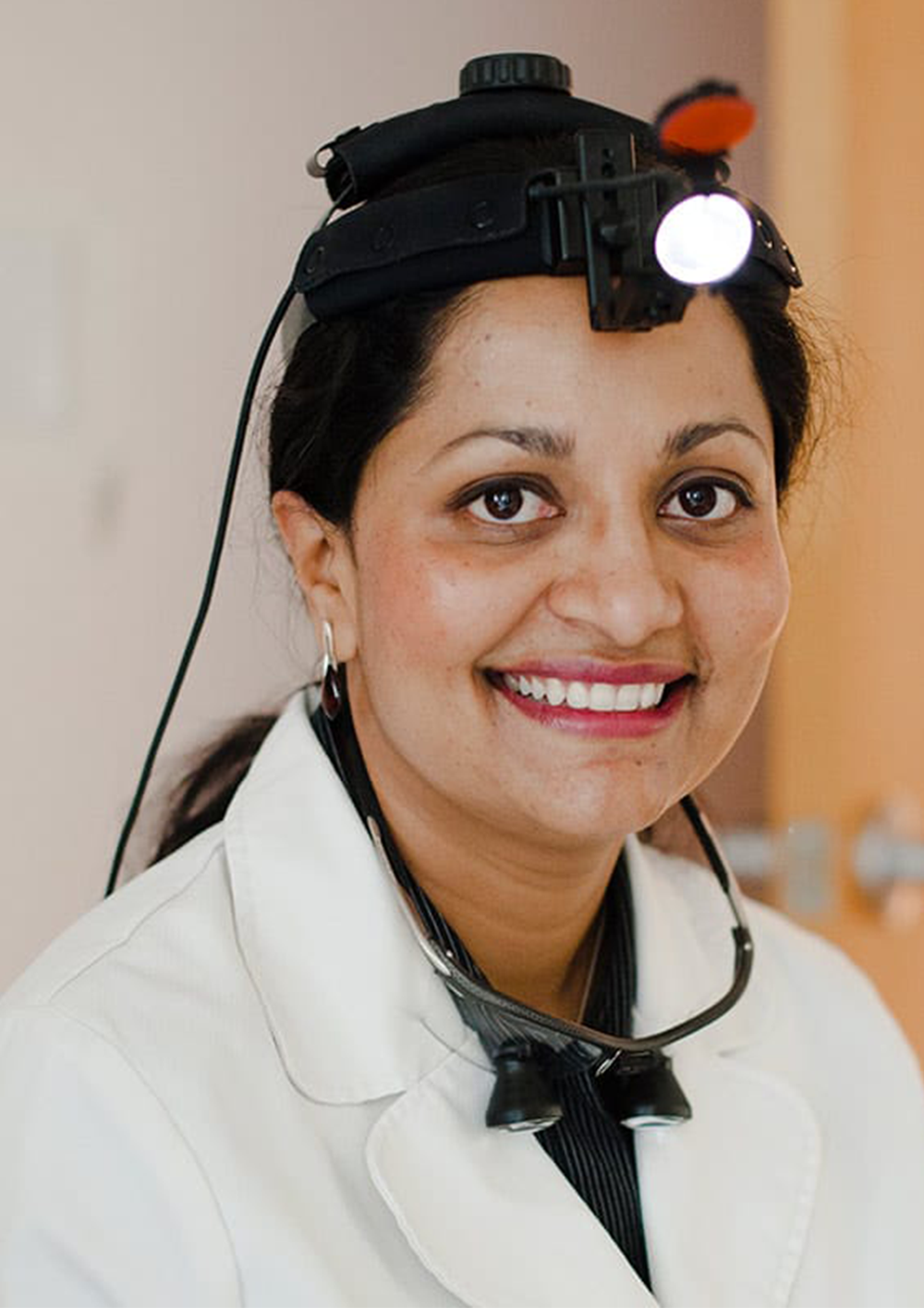
Dr. Sandhya Hegde
Dr. Sandhya Hegde became a dentist so she could make a difference in her patients’ health and well-being. She understands the important role that oral health plays in a person’s overall health, and she wants to help each patient enjoy the best health possible.

Dr. Gary Sigafoos
Dr. Gary Sigafoos received his DDS degree in 1971 and his MS in periodontics in 1977, both from Temple University. He joined our team in 2021, but has been practicing dentistry since 1979. Over the years, Dr. Sigafoos has appeared on multiple local and national television programs for his expertise in periodontics. He was one of the first periodontists in San Diego County to focus on soft tissue management programs.
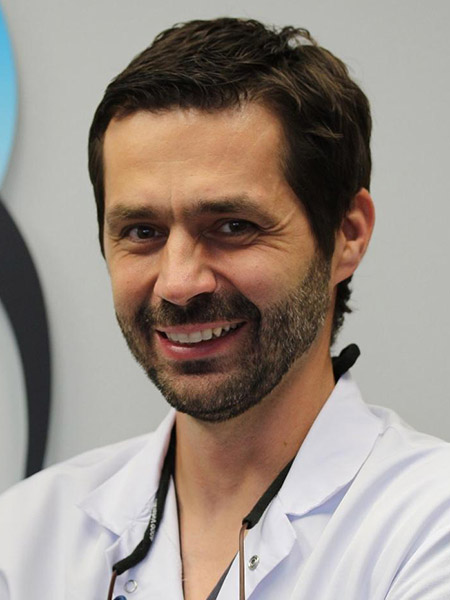
Dr. Haris Lakisic
Dr. Haris Lakisic has an eye for detail and felt that dentistry would be a good fit with his skills. He graduated magna cum laude from Pepperdine University with a bachelor’s degree. in biology. He then received his DDS from the University of Pennsylvania in 2003 and an MS in endodontics from the University of Pennsylvania in 2006.

Dr. Thomas Brislin
Thomas V. Brislin Jr., the youngest of six siblings, grew up in Harveys Lake, Pennsylvania, where he developed a love for sports, excelling in soccer and volleyball and becoming a passionate water sports enthusiast.

Dr. Abraham Tang
Bio coming soon…
Why Choose Us
Five things tend to come up when patients explain why they picked this carmel valley dentist over the one closer to home. Each one has less to do with a single service and more to do with how the whole experience is put together, from the dental team behind the scenes to the personalized care and patient-first approach patients actually walk away with.

Oral Surgery
Getting Ready for Your First Oral Surgery Visit
Not every dental issue can be solved with a filling or a crown. Once a tooth or the bone around it has broken down past a certain point, surgery becomes the fastest way to stop further damage and keep the rest of your mouth structurally sound.
Who is a candidate for Oral Surgery?
An impacted wisdom tooth causing pain or crowding, or unusual soft tissue that warrants a closer look through biopsy, are the two most common reasons patients end up here. Dr. Brislin goes through your health history and imaging in detail before deciding whether surgery is the right call.
What does the Oral Surgery process involve?
Both impacted-tooth removal and biopsies are performed right in the office, with IV sedation available for anyone who wants a deeper level of comfort during the procedure. Dr. Brislin talks through the plan with you beforehand and sends you home with written instructions for a smooth recovery.
Where does Oral Surgery fit into your treatment plan?
Surgery is rarely the finish line by itself. Whatever comes back from a biopsy, or however an extraction site heals, usually sets the direction for the next phase, whether that means restorative work down the road or a handoff to another specialist on the team.
When is the right time to consider Oral Surgery?
A painful impacted tooth or suspicious tissue in your mouth won’t fix itself given more time. Getting in for a consultation sooner rather than later means you get real answers, and a real plan, instead of more waiting.
Why choose Oral Surgery over the alternatives?
Putting off a tooth that can’t realistically be restored, or ignoring tissue that needs a closer look, doesn’t keep you safe; it simply gives the underlying problem more time to worsen. A 2024 systematic review pooling 32 studies on adults without any replacement teeth found edentulism consistently linked to worse outcomes across mortality, frailty, and general health, another argument for getting a surgical opinion sooner.
One Damaged Tooth Rarely Stays a One-Tooth Problem
Infection tied to a single damaged tooth doesn’t necessarily stop there. It can travel into the jawbone, into neighboring teeth, or even into the bloodstream if given enough time. NCBI’s clinical reference on odontogenic infections confirms that in adults, dental infections are the primary cause of deep neck infections, which is exactly how a seemingly minor issue can turn into a genuine emergency if it’s left unchecked.
Endodontics
What Root Canal Treatment Actually Involves
If biting down still hurts well after you’ve finished eating, or your dentist has flagged a tooth as infected, chances are the trouble is happening inside the tooth rather than on its surface. Endodontic treatment addresses that internal damage directly, which is often what makes it possible to keep the tooth instead of losing it to extraction.
Who is a candidate for Endodontics?
Deep decay that’s reached the nerve, internal damage from a crack, or ongoing pain focused on one particular tooth are the usual signs. Before moving forward, our endodontic specialist, Dr. Lakisic, checks that enough healthy tooth structure remains to make restoring it worthwhile.
What does the Endodontics process involve?
Using rotary instruments, Dr. Lakisic cleans out the canal, disinfects it, and seals it; in most cases, the process takes only one or two visits to finish. A crown usually goes on afterward to shield the treated tooth from cracking under everyday chewing forces.
Where does Endodontics fit into your treatment plan?
Endodontic care always comes before any crown or other restoration goes on top. If the infection has already reached surrounding tissue, periodontal treatment or grafting may need to happen first to set the stage.
When is the right time to consider Endodontics?
An infected tooth isn’t something your body clears on its own, and putting treatment off just gives the infection more time to reach nearby bone or teeth. You get the best results while there’s still enough sound tooth structure left to work with.
Why choose Endodontics over the alternatives?
Extraction gets rid of the infected tissue, but it takes the tooth with it, and whatever replaces that tooth later, whether an implant or a bridge, adds both time and expense. A 2025 systematic review comparing root canal-treated teeth with dental implants found both options carry high survival rates, with root canal therapy slightly outperforming dental implants in terms of success, while implants were tied to more post-treatment complications and follow-up procedures.
Ignored Pulp Infections Don't Stop at the Tooth
A pulp infection that’s left alone doesn’t stay contained to that one tooth for long; it spreads into the surrounding bone and can develop into a full-blown abscess. NCBI’s clinical reference on apical periodontitis confirms these lesions may spread through the bone to other fascial spaces causing abscesses, turning what started as a manageable problem into a far more complicated one, and making the tooth itself much harder to save in the process.
Cosmetic Dentistry
Small Changes That Make a Big Difference in Your Smile
Maybe you catch yourself holding back a full smile in photos, or you just feel like your teeth don’t quite match how you’d like to present yourself. Cosmetic dentistry is built for exactly that gap, fixing the small visual details that everyday dental care isn’t designed to touch, without ever looking artificial.
Who is a candidate for Cosmetic Dentistry?
If your teeth and gums are otherwise healthy, you’re likely a candidate for at least one cosmetic option, whether that’s staining, a chip, a gap, or excess gum tissue you’d like reshaped. Any active decay or gum disease gets treated first, since cosmetic work needs a solid, healthy base underneath it to hold up.
What does the Cosmetic Dentistry process involve?
Depending on your goals, treatment might include veneers, dental bonding, teeth Whitening, Bioclear, Black Triangle closure, Gap Closure, or Gummy Smile Reconstruction. Every option starts with a consultation to make sure the plan actually fits what you’re trying to achieve.
Where does Cosmetic Dentistry fit into your treatment plan?
Cosmetic treatment comes after any restorative or periodontal work is fully finished. Bonding and whitening are usually wrapped up in a single visit, while veneers typically take two: one to prepare the teeth and another to place the final result.
When is the right time to consider Cosmetic Dentistry?
If Invisalign or clear braces are already part of your plan, cosmetic changes to tooth shape or color usually wait until alignment is finished. Once your bite is stable and your oral health checks out, you’re generally clear to start.
Why choose Cosmetic Dentistry over the alternatives?
Drugstore whitening strips and at-home kits just don’t compare to professional results. A 2024 randomized controlled trial published in BDJ Open compared OTC whitening systems with dentist-supervised at-home whitening and found the professional option showed significantly improved colour change with far less relapse over time, concluding the tested OTC systems weren’t effective for a lasting result.
What Starts Cosmetic Doesn't Always Stay That Way
A small chip you’re only bothered by for appearance’s sake tends to keep growing under normal biting force if it’s never addressed. A 3-year study through the National Dental Practice-Based Research Network tracked over 2,600 cracked teeth left untreated and found roughly 1 in 8 patients had some type of crack progression, showing how something first noticed for looks alone can eventually become a genuine structural concern.
Dental Implants
Understanding Your Options for a Missing Tooth
Losing a tooth changes more than your smile. It shifts how you chew, allows neighboring teeth to drift out of place over time, and leaves the jawbone underneath without the stimulation it needs to stay intact. Dental implants replace the root along with the crown, giving that space back a tooth that behaves like the real thing.
Who is a candidate for Dental Implants?
If you have a missing tooth and enough healthy bone to support a post, whether you’re replacing just one tooth or several, you’re likely a good fit. Dr. Brislin checks bone density and gum health up front, since a stable foundation is what makes an implant last.
What does the Dental Implant process involve?
A small titanium post goes into the jawbone and is given time to fuse with it before a custom-made crown gets attached on top. Depending on how many teeth need replacing, options range from a single implant to multiple implants or a full-arch All-on-X setup.
Where do Implants fit into your treatment plan?
An implant typically comes after an extraction, or after enough healing time has passed if the tooth was already removed. Dr. Brislin and Dr. Hegde work together on the surgical and restorative sides so your whole timeline moves smoothly from one phase to the next.
When is the right time to consider Implants?
The longer a missing tooth goes unreplaced, the more the jawbone underneath shrinks from lack of use. Waiting years to address the gap can turn a straightforward implant into a more complicated one, sometimes requiring bone grafting first just to get back to a workable starting point.
Why choose Implants over the alternatives?
Implants don’t need the healthy teeth on either side of a gap ground down to hold a restoration in place, which a bridge does require. A retrospective study published in BMC Oral Health found that pooled five-year success rates reached 95% for implant-supported single crowns, compared with 84% for natural tooth supported bridges, and implants carry the added benefit of keeping the jawbone stimulated in a way a bridge simply can’t manage.
An Open Gap Rarely Stays Contained to One Tooth
Once a tooth is gone, the space it left behind doesn’t just sit there untouched. Nearby teeth start tilting toward the opening, and the tooth on the opposite arch can drift downward or upward trying to close the gap itself. A systematic review in Clinical Oral Implants Research measured horizontal bone loss of 29-63% and vertical bone loss of 11-22% in the first six months after extraction, which is exactly why postponing tooth replacement tends to make a future implant more complicated, not less.
Invisalign
A Clearer Path to a Straighter Smile
Overlapping teeth, gaps between them, or a slightly off bite don’t automatically mean metal brackets and wires are your only path. Invisalign relies on a series of clear, custom-molded aligners that gradually guide your teeth toward straighter teeth, with a lot less visibility than traditional clear braces.
Who is a candidate for Invisalign?
If you’re a teen or adult dealing with moderate spacing, minor crowding, or a bite that’s slightly out of alignment, you’re likely a strong candidate. Dr. Tang reviews your bite pattern and alignment goals directly to make sure Invisalign will actually get you the result you’re hoping for.
What does the Invisalign process involve?
Your entire treatment gets mapped out from a digital scan, showing the path from your current smile to the projected result. Roughly every one to two weeks you’ll switch to the next set of aligners, with check-in visits along the way to make sure things are tracking as planned.
Where does Invisalign fit into your treatment plan?
Before Invisalign starts, any active decay or gum issues get addressed first, since aligners perform best on a mouth that’s already healthy and stable rather than one still working through an active problem.
When is the right time to consider Invisalign?
Crowding and bite problems tend to get harder to manage the longer they’re left alone, and they make certain areas of your mouth tougher to keep clean as time passes. Getting started earlier often shortens the overall length of treatment too.
Why choose Invisalign over the alternatives?
Because aligners come out for eating and brushing, they’re a lot easier to keep clean than fixed clear braces. A 2025 comparative study of periodontal health found that patients wearing fixed braces had plaque and gingival index scores significantly higher after three months than those using clear aligners, backing up aligners as the easier choice to maintain throughout treatment.
Crowding Rarely Improves the Longer It's Ignored
Teeth that overlap or bunch together are just tougher to brush and floss thoroughly, and the areas your brush can’t quite reach tend to develop problems first. A PubMed-indexed literature review on tooth crowding concluded that difficulty cleaning these areas predisposes the tooth to dental caries and periodontal disease, and a bite that’s off can also grind certain teeth down faster than it should over the years.
Extractions
Preparing for a Tooth Extraction
When a tooth is too far gone from damage, decay, or crowding to save, removing it is often the clearest way to protect everything else in your mouth. Knowing what the process actually looks like ahead of time makes both the decision and the healing afterward a lot less stressful.
Who is a candidate for an Extraction?
Extraction usually comes up when a tooth is cracked beyond saving, badly decayed, stuck below the gumline, or making crowding worse in a way other dental procedures can’t fix. Dr. Brislin confirms this is the right path through an exam and imaging before anything is scheduled.
What does the Extraction process involve?
Local anesthesia handles most extractions right in the office, with sedation available for tougher cases like impacted wisdom teeth. Written aftercare instructions go home with you, so patient comfort continues well past the appointment itself.
Where does an Extraction fit into your treatment plan?
An extraction is usually a first step rather than a final one, whether it leads to an implant, a bridge, or simply clears crowding before Invisalign gets underway.
When is the right time to consider an Extraction?
A tooth that’s badly damaged or infected isn’t going to heal itself no matter how long you hold off. Once extraction has already been recommended, moving sooner rather than later tends to make for an easier recovery.
Why choose Extraction over the alternatives?
When a tooth genuinely can’t be saved, leaving it in place doesn’t prevent the inevitable, it just gives infection or damage more time to spread. A PubMed-indexed clinical review on treating acutely infected teeth found that immediate extraction results in faster resolution of the infection, decreased pain, and earlier return of function compared with delaying treatment behind a course of antibiotics.
Putting Off an Extraction Rarely Makes It Easier
The longer a badly damaged tooth is left in place, the greater the chance it starts affecting the bone or gum tissue around it. A retrospective study on managing impacted wisdom teeth found that delayed treatment could increase the likelihood of complications, such as delayed healing and nerve damage, either of which can turn a straightforward extraction into a more difficult one with a longer recovery.
Services We Provide
Looking for a Dentist in Carmel Valley Families Trust? Book Your Visit Today!
Whatever brought you here, whether it’s a tooth that’s finally out of options or a smile you’ve been meaning to change, you’ve found a dentist in Carmel Valley families actually stick with for the long run. Dr. Sandhya Hegde and the team at Center for Dental Health La Jolla can help you figure out what’s next. Booking a visit gets you real answers instead of more guessing. You can also catch the practice on Facebook and Instagram, where oral health tips and updates show up between visits.
Testimonials
FAQs
Does this practice see patients from Carmel Valley?
Yes, this practice sees patients from Carmel Valley every day, even though the office itself sits in La Jolla. Plenty of people consider it their go-to dentist families recommend, alongside patients from La Jolla and nearby San Diego neighborhoods. Scheduling and care work the same no matter which part of town you’re coming from, and directions are easy to find on the website before your first appointment.
How often should I come in for a cleaning?
Most people do well with a checkup and cleaning every six months, though some need to come in more often depending on their oral health. Regular visits catch small problems, like early decay or gum disease, before they become bigger procedures. The team will recommend a schedule based on your history at your first visit, and that plan can always be adjusted over time.
Can I switch to this practice from somewhere else?
Absolutely, and switching is simpler than most people expect. The team here will request your prior records and X-rays on your behalf, so you don’t have to track anything down yourself. Your first visit here works like any new patient exam, just with a look at where your previous care left off. Plenty of current patients made the switch after feeling rushed or unheard somewhere else.
What should I do in a dental emergency?
Call the office right away and describe what’s going on, whether it’s a broken tooth, a knocked-out tooth, or pain that won’t let up. The team will get you in as quickly as the schedule allows, since emergencies rarely wait for a convenient day. In the meantime, keep any broken piece of tooth you can find, and avoid chewing on that side until someone can take a look.
Does the practice treat children as well as adults?
Yes, families bring kids in alongside their own appointments, and the practice handles everything from a child’s first cleaning to more involved adult restorative treatment. Preventive care for kids, including dental sealants, is treated with the same attention as complex adult procedures. Whether you’re bringing the whole household in or just scheduling a single appointment for yourself, the team can accommodate both.