Tooth Extractions in La Jolla

Our tooth extractions in La Jolla residents come in for usually trace back to one of a handful of causes: advanced decay, a cracked tooth, or an infection that hasn’t responded to other treatment. Dr. Sandhya Hegde, D.D.S., B.D.S., and the team at Center for Dental Health La Jolla handle the full range of extractions in-office, with an oral surgeon and periodontist on staff so patients never need to be sent elsewhere for surgical dental extraction.

Other common reasons for an extraction include advanced periodontal disease, crowded teeth that need room to align, or an impacted tooth causing pain and swelling. The procedure itself ranges from a simple, forceps-based removal to a more involved surgical extraction using specialized instruments and a small incision. Local anesthesia keeps the area numb throughout, and IV sedation is available for patients who want a deeper level of comfort.

Man wincing in tooth pain while holding an extracted tooth in the La Jolla area

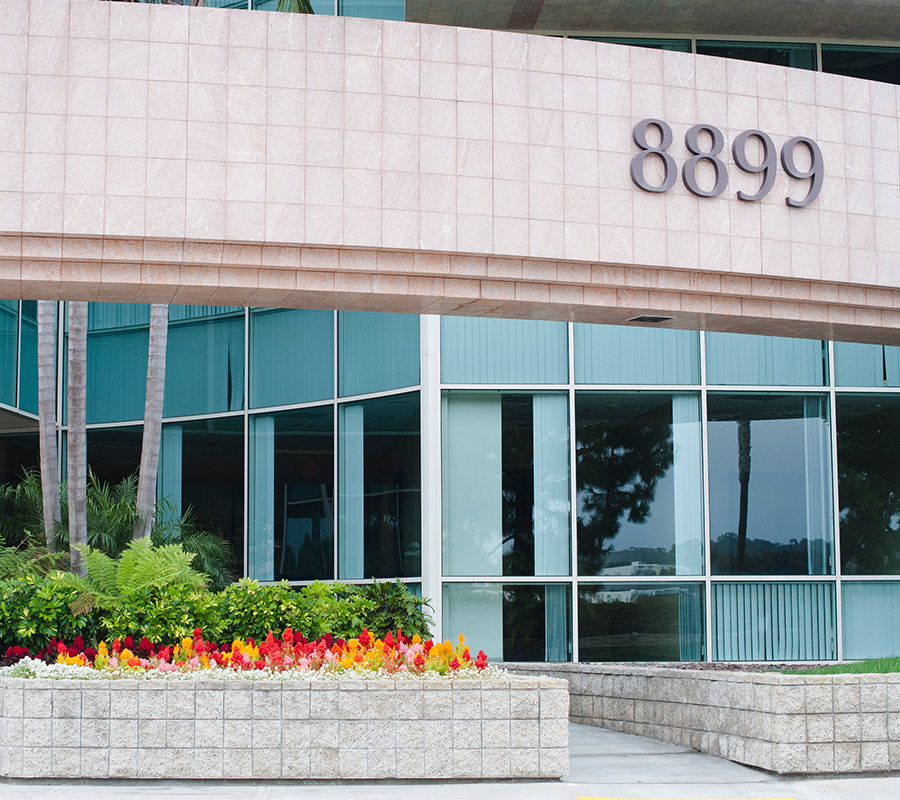
Exterior entrance of the Center for Dental Health La Jolla office building at 8899 University Center Lane in San Diego, CA

Meet the Team

Dr. Thomas Brislin, the practice’s oral surgeon, graduated from Temple University School of Dentistry in 2011. Before pursuing dentistry, he studied accounting, a background that shows in how he approaches surgical planning: methodically, with attention to every detail before the first incision. Dr. Gary Sigafoos earned his DDS from Temple University in 1971 and completed his Master of Science in Periodontics there in 1977. He’s been in active practice since 1979 and was among the first periodontists in San Diego County to make soft tissue management a clinical priority.

Between them, Dr. Brislin and Dr. Sigafoos cover the full extraction spectrum, from single-tooth simple removals to complex surgical cases requiring IV sedation. Dr. Sandhya Hegde, D.D.S., B.D.S., founded the practice and brings over 20 years of clinical experience to the standard of care that runs through every procedure performed here.

Learn About Your Doctor!

Are you experiencing tooth pain, damage, or infection?

Is a Tooth Extraction right for you?

Not every painful or damaged tooth leads to an extraction, but some do. Knowing when removal is the right call can save you from weeks of worsening pain and more complex treatment down the road. The questions below help you think through whether your situation fits.

Who is a candidate for Tooth Extractions?

You may be a candidate if your tooth is severely decayed beyond repair, infected despite root canal treatment, impacted, or affected by advanced periodontal disease. Patients on blood thinners or with compromised immune function may need medical clearance first. Your provider reviews your dental health history before recommending next steps.

What does the Tooth Extraction process involve?

The process depends on whether your case calls for a simple or surgical extraction, covered in detail below. Simple cases are resolved with local anesthesia alone, while more involved cases may need IV sedation and a longer recovery period. Either way, you’ll leave with clear instructions and a follow-up plan.

Where does a Tooth Extraction fit into your treatment plan?

Tooth extractions are performed in-office at our La Jolla location, often in a single visit depending on complexity. Cases involving IV sedation may need a separate pre-operative appointment to review your medical history. Because we have an oral surgeon and periodontist on-site, most patients don’t need an outside referral.

When is the right time to consider a Tooth Extraction?

Timing matters. A dental abscess, a tooth cracked below the gumline, or an impacted wisdom tooth causing pressure all call for prompt evaluation. Delaying treatment can lead to bone loss, damage to neighboring teeth, or a spreading infection. If you’re planning an implant, timing relative to bone grafting will be part of that discussion.

Why Tooth Extraction over the alternatives?

A root canal can preserve a natural tooth when the case allows it, but once decay or infection has progressed too far, restoration often fails to hold. A major review found root canal-treated teeth reached a 97% survival rate over the past six years, matching implant-supported crowns over the same span. Past that point, a well-timed extraction and replacement is usually the safer bet.

What happens when a problem tooth is left untreated?

Leaving a damaged or infected tooth in place doesn’t shrink the problem. Infection can spread to the surrounding bone, adjacent teeth, or even the neck. NIH guidance warns untreated infection carries a real risk of spreading toward the deep neck space (risk of deep neck space infection), with mortality reaching 40 percent if it progresses to mediastinitis.

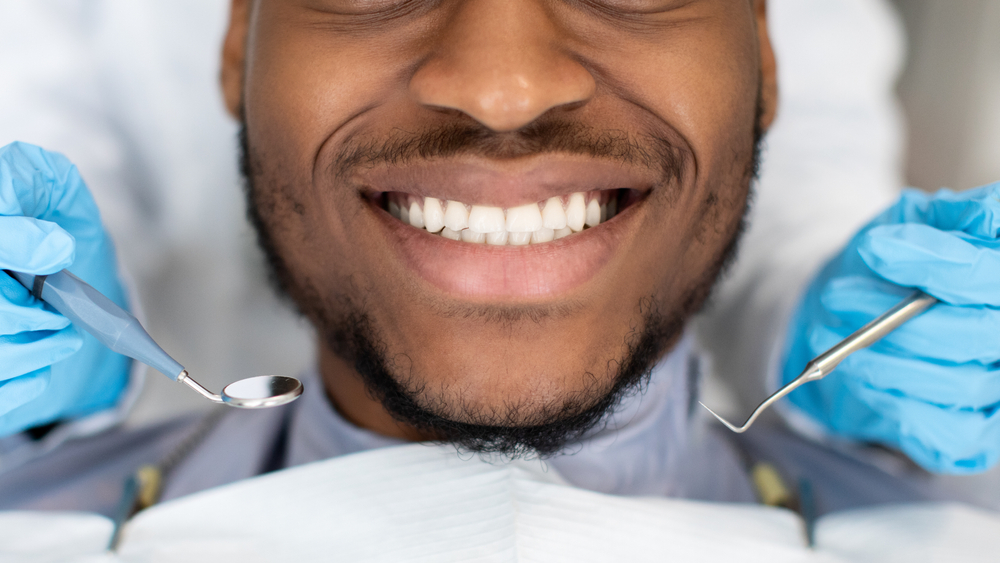
Smiling bearded man with gloved hands holding a dental mirror and explorer near his face in the San Diego area

Our Options for Tooth Extractions

What to Expect During Your Extraction

Diagnosing Your Tooth Pain

Your visit starts with a conversation about your tooth pain, your dental health history, and any concerns you’re bringing in. Dr. Sandhya Hegde or the treating specialist examines the tooth and reviews imaging to confirm what’s really going on. New patients can complete our intake forms ahead of time to speed up check-in.

Mapping Out Your Treatment Options

Once we understand your case, we outline a plan built around your tooth, your comfort, and your schedule. That includes deciding between local anesthesia or IV sedation and whether bone grafting can be done in the same visit. Every recommendation ties back to what your specific tooth actually needs, not a generic template.

Your Extraction Appointment

On the day of your appointment, our team numbs the area and removes the tooth using the approach we planned together. Depending on your case, the procedure may take just minutes or run a little longer. Throughout the visit, we monitor your comfort and vital signs closely, so nothing catches you off guard.

Healing After Your Extraction

Before you leave, you’ll get clear aftercare instructions covering soft foods, pain relievers, and how to protect the healing site over the next few days. We tailor this guidance to your specific procedure, since surgical and simple extractions heal a little differently. If anything feels off during recovery, our team is available to help.

Planning Your Next Steps

A follow-up visit lets us check healing, remove sutures if needed, and confirm everything is progressing the way it should. If restoration is part of your plan, this is when we start discussing timing for a dental implant or other option. Ongoing dental checkups after that keep your recovery and oral health on track.

Dentist examining a male patient's teeth with a mirror and explorer during a dental exam in the San Diego area

What happens if you do nothing?

Financial Implications of More Invasive Solutions

A tooth that could have been extracted and replaced at a predictable cost becomes far more expensive once infection spreads into the surrounding bone. Grafting is then required before an implant can be placed, adding both cost and treatment time to what was once straightforward. Acting while the problem is still contained keeps your total cost lower.

Supporting Citation/Source

The added cost of delay shows up clearly in emergency care spending. The American Dental Association reports emergency department visits for dental pain cost roughly three times as much as a standard dental visit, averaging $749 versus $90 to $200 for routine care. That gap widens further with hospitalization or repeat visits.

Health Implications of More Invasive Solutions

An untreated dental infection doesn’t stay local. Bacteria can spread to the surrounding periodontal tissue, jawbone, and neighboring teeth, accelerating bone loss. Research has also linked chronic oral infection to systemic conditions including cardiovascular disease and diabetes. Patients who delay treatment often find a single-tooth problem has become a multi-tooth one by the time they seek care.

Supporting Citation/Source

Odontogenic infection doesn’t necessarily stay confined to the mouth. A peer-reviewed update on managing dental infections and sepsis notes that untreated infection can progress to sepsis, risking tissue damage, organ failure, and death in severe cases. Early recognition and treatment at the oral surgery level substantially reduce that risk.

Safety Implications of More Invasive Solutions

In severe cases, an untreated dental abscess can spread into the floor of the mouth, the neck, and in rare cases the airway. This spread, known as Ludwig’s angina, is a medical emergency requiring immediate care. Timely extraction and infection management at the oral surgery level is the most direct way to prevent these outcomes.

Supporting Citation/Source

NIH clinical guidance on Ludwig’s angina, a rapidly spreading floor-of-mouth infection usually rooted in untreated dental infection, confirms it can lead to airway compromise, sepsis, and death without prompt treatment. Mortality once exceeded 50 percent before antibiotics; modern treatment has lowered that to roughly 8 percent, but only with prompt care.

FAQs

How long does recovery take after a tooth extraction?

Recovery from a simple extraction typically takes one to three days, with most patients returning to normal activity within 24 to 48 hours. Surgical extractions, including wisdom tooth removal, generally take three to seven days, with some swelling and discomfort expected. Your provider will give you post-operative care instructions tailored to your specific procedure.

Will I need bone grafting after my tooth is removed?

Not always. It depends on your plans for the site. If you intend to replace the tooth with a dental implant, grafting at the time of extraction can preserve the jawbone while it heals, since bone naturally resorbs within weeks otherwise. Your provider will discuss whether grafting fits your bone levels and long-term goals.

Is tooth extraction painful?

The procedure itself shouldn’t hurt, since local anesthesia is used for every extraction and IV sedation is available for added comfort. Some soreness after the anesthesia wears off is normal and manageable with over-the-counter or prescribed pain relievers. Patients who’ve had IV sedation here often say it was far more comfortable than expected.

Can an impacted wisdom tooth be removed at your La Jolla office?

Yes. Wisdom tooth removal is performed in-office by Dr. Thomas Brislin, including cases requiring surgical access to the bone. Most impacted cases can be handled here without an outside referral, with IV sedation available for patients who prefer it. A pre-operative exam and imaging confirm the tooth’s position before treatment.

What tooth replacement options are available after an extraction?

Common options include a dental implant with a crown, an implant-supported bridge for multiple adjacent teeth, or a partial denture. We also offer All-on-X and implant overdentures for patients missing most or all of their teeth. Your provider will discuss timing and options during your treatment planning appointment.

Center for Dental Health La Jolla logo featuring a tooth and lotus flower design

Get Lasting Relief With Tooth Extractions in La Jolla Community Recommends!

Comfortable, coordinated tooth extractions in La Jolla patients count on are what Dr. Sandhya Hegde and the Center for Dental Health La Jolla team deliver every day. For updates and oral health tips, follow us on Facebook and Instagram. Ready to get relief from tooth pain? Book an appointment with Center for Dental Health La Jolla today, or call us at 858.546.0100 with any questions about your treatment options.

Book Your Cosmetic Dentistry Consultation Today

Save $333 on Clear Aligners Treatment

Includes complimentary consultation ($250 value) Board Certified Orthodontic Care

*Please note this offer is not eligible with Cherry financing.

Contact Us