Del Mar Periodontist

If you’re searching for a Del Mar periodontist, Center for Dental Health La Jolla brings together a multi-specialist team under one roof. Dr. Gary Sigafoos has led periodontal care at this practice for decades, treating everything from bleeding gums to bone loss. Whatever you’re experiencing, we start with a clear diagnosis and a treatment plan built around your specific condition.

A periodontist completes additional training beyond dental school, focused on periodontal disease, gum treatment, and dental implants. At this practice, periodontal care sits alongside general dentistry, so your dental team can address gum recession, dental decay, and other dental needs together. Regular checkups, paired with your annual cleaning, protect your long-term dental health.

Close-up of a woman's healthy smile with white teeth and pink gums, the kind of result periodontal treatment can help patients in the San Diego community achieve

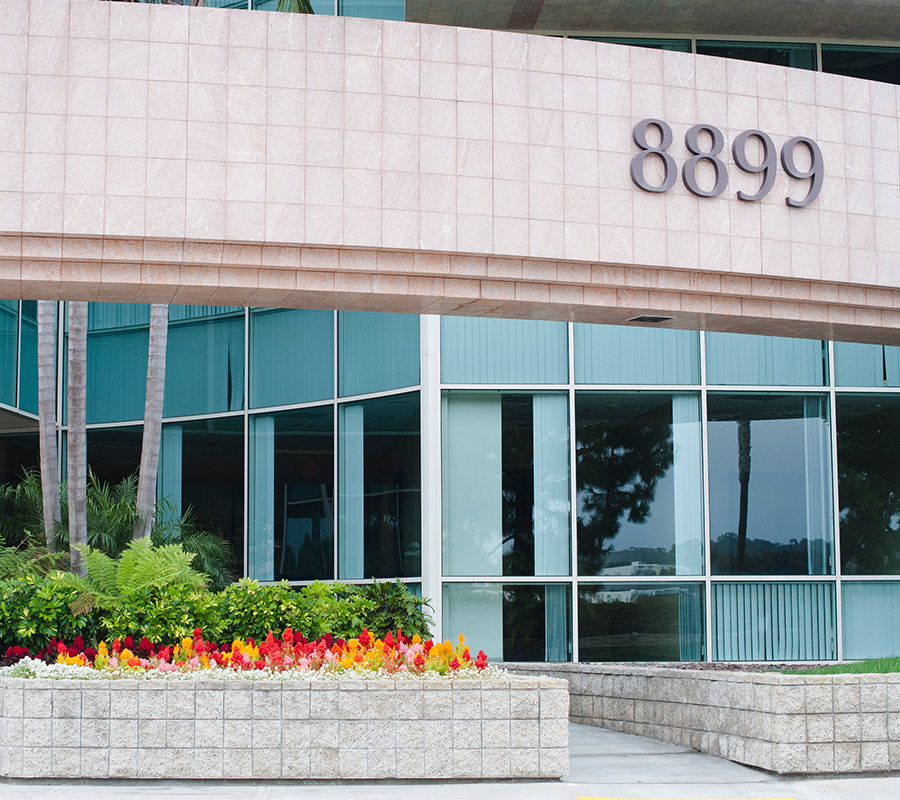
Exterior of the Center for Dental Health La Jolla office building at 8899 University Center Lane in San Diego

Meet the Doctor

Dr. Gary Sigafoos earned his DDS and Master of Science in periodontics from Temple University and has practiced since 1979. He’s one of the first periodontists in San Diego County to focus on soft tissue management, and has shared his expertise on national television. Patients benefit from that experience, paired with laser technology that treats gum disease with precision and comfort.

Learn About Your Doctor!

Are you experiencing bleeding, receding, or infected gums?

Is Periodontal Treatment right for you?

Gum disease rarely announces itself loudly in the early stages, which is why many patients wait longer than they should before seeking an evaluation. Not everyone with bleeding gums needs surgical intervention. Still, nearly everyone with these symptoms needs a professional assessment to determine how far the disease has progressed.

Who is a candidate for Periodontal Treatment?

You may be a candidate for periodontal treatment if you have deep gum pockets, gums that bleed regularly, or new recession and tooth sensitivity. A history of diabetes, heart disease, or smoking also raises your risk for periodontal disease. Patients in these groups often benefit most from early intervention.

What does the Periodontal Treatment process involve?

Periodontal treatment at this practice begins with a thorough evaluation that measures pocket depth between your gums and teeth. Treatment depends on severity, ranging from non-surgical care to more involved procedures, with scaling and root planing often recommended first. More advanced cases may need surgical intervention, detailed further in the treatment options below.

Where does Periodontal Treatment fit into your treatment plan?

Periodontal care doesn’t happen in isolation at this practice, where the multi-specialist team considers your gum health alongside any other dental work you may need. If you’re also a candidate for dental implants, active periodontal disease must be addressed first for implant success. Your treatment plan reflects the full picture of your oral health.

When is the right time to consider Periodontal Treatment?

The right time to seek periodontal care is before the disease reaches a stage where surgical intervention becomes unavoidable. Persistent bleeding, chronic bad breath, loose teeth, or visible gum recession are all signs that waiting will only make things worse. Periodontal disease is progressive, meaning it won’t stabilize on its own.

Why Periodontal Treatment over ignoring symptoms or general cleaning alone?

A standard cleaning removes dental plaque and tartar from your teeth, but it can’t reach the deeper pockets periodontal disease creates. A federally funded review found that deep-cleaning patients gained 0.49 mm in clinical attachment level compared with no treatment six months later. That gain reflects gum tissue reattaching to the root, something routine cleaning can’t do.

Untreated Gum Disease Doesn't Stay in Your Mouth

Left unaddressed, periodontal disease creates a pathway for bacteria to enter the bloodstream, linked to cardiovascular disease, diabetes complications, and adverse pregnancy outcomes, while bone loss continues underneath. According to the NIDCR, “periodontal disease is the most common cause of tooth loss among adults.” That’s the most common pathway to losing teeth as an adult, which is why early treatment matters.

Woman pointing to her bright smile after seeing a periodontist in the San Diego community

Options for Periodontal Treatment

The right treatment for gum disease depends on how advanced the condition is and what your gum and bone tissue look like at the time of your evaluation. Dr. Sigafoos offers three periodontal treatment options at this practice, each suited to a different stage or presentation of the disease.

What Happens During Your Periodontal Care

Understanding Your Gum Health and Dental Needs

Your first visit starts with a conversation about your dental needs and any changes you’ve noticed in your gums. Dr. Sigafoos reviews your dental and medical history, since conditions like diabetes and smoking affect how periodontal disease progresses. A visual exam and pocket depth measurements then pinpoint problem areas, giving us a clear starting point for your care.

Personalized Dental Care Built Around Your Diagnosis

Once your evaluation is complete, Dr. Sigafoos builds a treatment plan around the specific stage of your periodontal disease. Some patients need only scaling and root planing, while others require gum treatment involving grafting or osseous surgery. Every plan factors in your dental health, schedule, and comfort, so you know what to expect before treatment begins.

Performing Your Periodontal Procedure

During treatment, our dental team uses soft tissue laser technology alongside traditional instruments to treat infected gum tissue with more precision. Whether you’re having a deep cleaning, gum grafting, or another periodontal procedure, we prioritize your comfort throughout, using local anesthesia and sedation when appropriate. Most non-surgical treatments are completed in one or two visits.

Home Care Guidance from Your Dental Hygienist

After treatment, we walk you through aftercare instructions that protect your results, including proper brushing technique and any prescribed rinses. We also cover habit changes, like reducing tobacco use, that support long-term gum health. Your dental hygienist coordinates these habits with your regular cleanings, so healing stays on track between visits.

Monitoring Your Gum Health Over Time

Periodontal maintenance doesn’t stop once active treatment ends. Most patients return every three to four months instead of a standard annual cleaning, so we can monitor pocket depths and catch any signs of disease returning. Consistent monitoring keeps small issues from turning into bigger, costlier problems, especially after surgery.

Woman with a healthy smile, the kind of result gum disease treatment can help patients in the San Diego community achieve

Alternative Treatments: What happens if you do nothing?

Financial Implications of More Invasive Solutions

Periodontal disease that goes untreated doesn’t stay at the same severity; treatment costs climb as it progresses. Patients who address gum disease early spend far less than those who reach tooth loss and need an implant. Cost data from Humana shows that “scaling and root planing can cost between $235–$303 per quadrant,” while a single implant runs into the thousands.

Health Implications of More Invasive Solutions

The health effects of untreated periodontal disease extend well past your gums. Chronic infection maintains systemic inflammation linked to cardiovascular disease, harder blood sugar control for patients with diabetes, and greater respiratory illness risk. Peer-reviewed research explains that “periodontal pathogens can destroy the epithelium of the periodontal pocket,” creating a direct route for bacteria to enter general circulation.

Safety Implications of More Invasive Solutions

Active periodontal infection creates real risks when other dental procedures are needed, since bacteria from infected pockets can enter the bloodstream during routine work. For patients planning implants, active gum disease is a direct contraindication that raises the likelihood of implant failure. A systematic review found that a history of periodontal disease “can be considered a significant risk factor for incident implant failure.”

FAQs

What is the difference between gingivitis and periodontitis?

Gingivitis is the earliest stage of gum disease, causing inflammation without bone loss, and it’s reversible with proper cleaning and better home care. Periodontitis is more advanced, with infection spreading below the gum line and causing bone and tissue loss. Unlike gingivitis, periodontitis can’t be reversed, but it can be managed and stabilized with treatment.

How often do I need periodontal maintenance appointments after treatment?

After active periodontal treatment, most patients move to a maintenance schedule of every three to four months instead of a standard twice-yearly cleaning. This lets your provider monitor pocket depths, remove bacterial buildup early, and catch any signs of disease returning. The exact frequency depends on your original diagnosis and how well your gums respond over time.

Can laser therapy reduce the need for periodontal surgery?

Laser therapy is an effective tool for treating periodontal disease, especially in early to moderate stages, and this practice uses soft tissue laser technology as part of treatment. For many patients, it reduces the need for more invasive procedures and supports faster healing with less discomfort. Patients with advanced bone loss or very deep pockets may still need surgery.

Does gum disease need to be resolved before dental implants can be placed?

Active periodontal disease must be treated and stabilized before implant placement is recommended. Bacteria in infected gum tissue can attack the bone and tissue surrounding a newly placed implant, raising the risk of failure. Patients who maintain their gum health after placement through regular periodontal maintenance see better long-term outcomes.

What causes gum recession, and can it be treated without surgery?

Gum recession has several causes, including periodontal disease, aggressive brushing, thin gum tissue, and tooth position in the jaw. Mild recession without active disease may be managed with better brushing habits and more frequent monitoring. Once root surfaces are exposed enough to cause sensitivity or decay risk, gingival grafting is the most reliable way to restore coverage.

Center for Dental Health La Jolla tooth and lotus flower logo icon

Meet the Del Mar Periodontist Patients Keep Coming Back To!

Finding the right Del Mar periodontist means finding a team that treats your gum health as seriously as you do. Dr. Sandhya Hegde and periodontist Dr. Gary Sigafoos, along with the team at Center for Dental Health La Jolla, are ready to help protect your smile. Follow us on Facebook and Instagram for dental education, and book your appointment today.

Book Your Cosmetic Dentistry Consultation Today

Save $333 on Clear Aligners Treatment

Includes complimentary consultation ($250 value) Board Certified Orthodontic Care

*Please note this offer is not eligible with Cherry financing.

Contact Us