A gingivectomy sets off seven predictable changes in your mouth over the next two days. You may notice bleeding, swelling, and tooth sensitivity. Discomfort, a different-looking gum line, tightness, and sensitivity to cold compresses can follow too.
All seven happen during the inflammatory phase. This is the first of the three main phases of soft tissue healing: inflammatory, proliferation, and remodeling. Understanding the cause of each change can ease your mind during this part of recovery. Most of these changes resolve on their own with basic home care.
Key Takeaways
- Gum surgery removes diseased or excess gum tissue for both health and cosmetic reasons.
- The first 48 hours fall within the inflammatory phase, causing bleeding, swelling, and sensitivity.
- Ice, soft foods, and gentle hygiene protect the surgical site during early healing.
- Skipping post-care instructions raises the risk of infection and slows recovery.
- Most people return to normal dental routines within one to two weeks.
What is a gingivectomy and why is it performed?
A gingivectomy is the oldest surgical approach in periodontal therapy. It’s still one of the most common ways dentists treat the gums today. It removes a precise portion of gum tissue from around the teeth to eliminate diseased tissue, reduce pocket depth, or reshape the gum line for cosmetic goals.
How is the procedure performed?
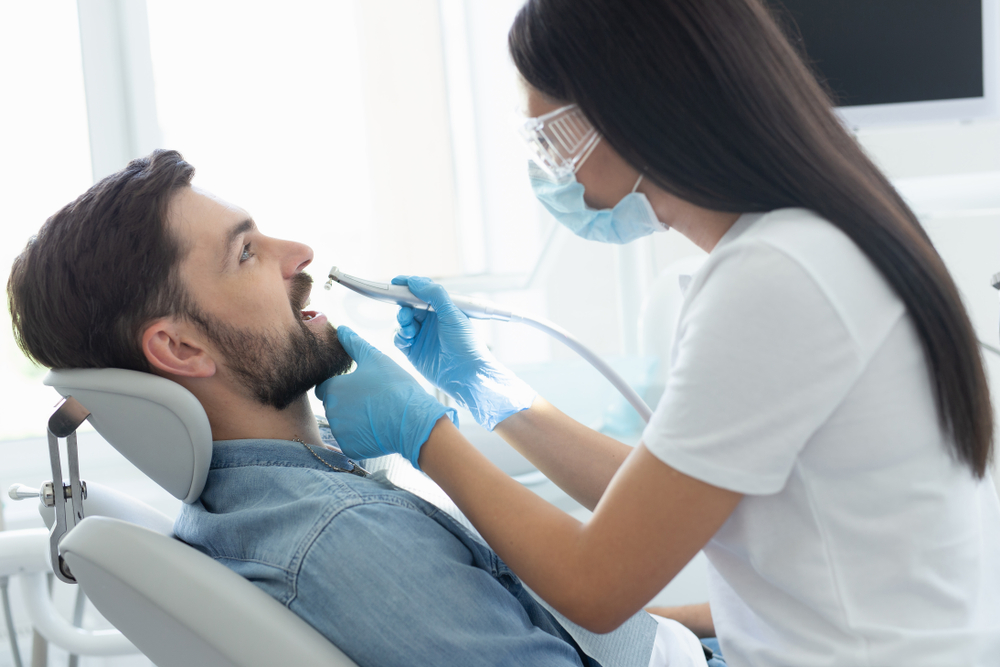
A dentist or periodontist walks through a few clear steps during a gingivectomy:
- Numbing the area: Local anesthetic numbs the surgical site, so you feel pressure but not pain.
- Removing the tissue: A surgical tool cuts and removes the targeted gum tissue.
- Keeping the site clear: A suction tool removes fluid and debris throughout the procedure.
- Closing the visit: Your dental team reviews post-operative instructions before you leave.
Most appointments take between 30 minutes and one hour, depending on how many teeth need treatment.
What medical reasons lead to a gingivectomy?
A gingivectomy is typically recommended for one of a few reasons:
- Advanced gum disease: Bacteria cause the gums to pull away from the teeth. This forms pockets that are hard to clean with a toothbrush alone.
- A gummy smile: Gum tissue covers more of the tooth than usual, and a gum lift removes that extra tissue.
- Tissue overgrowth: Certain medications or orthodontic appliances can cause the gum tissue to grow too far forward.
Periodontal disease affects approximately 47% of adults aged ≥30 years in the United States. This is why it remains the leading reason patients need this treatment. Sometimes deep cleaning does not resolve the pockets on its own. Removing the tissue then gives the area a better chance at full healing.
A gum lift differs from gum graft surgery, which adds tissue rather than removing it. Compared to more complex gum surgeries, dentists consider a gingivectomy minimally invasive. The surgical site stays limited to the gum tissue, and standard cases involve no bone work.
1. Bleeding From the Surgical Site
Light bleeding from the surgical site is normal in the first few hours. It happens because the procedure cuts the tissue, and the body responds by forming a clot to protect the area.
What helps:
- Gently biting down on clean gauze
- Using a cold, damp tea bag if gauze isn’t available
- Avoiding forceful rinsing or spitting, which can dislodge the clot
Bleeding slows significantly by the end of the first day. Contact your dental team if bleeding does not ease within 24 hours.
2. Swelling Around the Surgical Site
Swelling is one of the clearest signs of the inflammatory phase at work. Blood flow increases to the area as the body sends resources to begin repair. Surrounding tissue swells in response.
Applying an ice bag to the outside of your face in 20-minute intervals helps reduce swelling. Applying it as soon as possible after surgery gives the best results. Swelling typically peaks within the first day or two, then starts to fade. Most people see a noticeable difference by day three.
3. Tooth Sensitivity as Nerve Endings Are Exposed
Reshaping the gum tissue can expose part of the tooth root that was previously covered. These newly exposed nerve endings react to temperature and pressure differently. This exposure may cause hypersensitivity and occasional discomfort for a short period after surgery.
This sensitivity is temporary and fades as the gum tissue heals. Cold drinks or air may cause a brief sting at first. A toothpaste made for sensitive teeth can offer extra relief once you resume brushing your teeth normally.
4. Discomfort as the Local Anesthetic Wears Off
The local anesthetic wears off a few hours after your appointment. This stretch is often the most uncomfortable part of the healing journey. Most patients describe the overall discomfort as moderate. It tends to peak, or become most intense, 5 to 6 hours after surgery, before it starts to ease.
Taking pain medication before the numbness fully clears helps you stay ahead of the discomfort. Your dental team can recommend an over-the-counter option or prescribe if needed. Resting with your head elevated can also make the first few hours more comfortable.
5. Changes to How Your Gum Line Looks
Your gum line will look different than it did before the procedure. Tissue may appear uneven, red, or slightly pulled back in the first day or two.
This is a normal part of surgical healing, not a sign that something went wrong. As the tissue repairs itself, it reattaches around the teeth. It settles into a smoother, more even contour over the following days.
6. Tightness or Pressure in Your Mouth
The area around the surgical site may feel full or tight. This is especially noticeable when you talk, chew, or open your mouth wide. This sensation comes from swelling and from handling the tissue during surgery.
It typically fades over the first two days. Chewing on the opposite side of your mouth can relieve some of that pressure. Sticking to a soft diet also helps.
7. Sensitivity to Cold Compresses
Using cold compresses on your face to manage swelling can itself cause some surface sensitivity in the skin and gums. This is a mild, expected side effect, not a complication.
The benefit of reduced swelling outweighs the brief discomfort of the cold against your skin. Wrapping the ice bag in a thin cloth softens the sensation without reducing its effect.
How To Protect Your Dental Routine During Recovery
Following your dental team’s post-operative instructions reduces the possibility of adverse events after surgery. This makes it the single most controllable part of your recovery. What you eat, how you clean your teeth, and whether you use tobacco all affect your oral health. This holds throughout the post-surgery period.
Building a Soft Food Diet
A soft food diet is the first thing to get right after surgery:
- Eat: Yogurt, mashed potatoes, scrambled eggs, smoothies, and other soft foods that put no pressure on the surgical site
- Avoid: Hard, crunchy, or chewy foods that can tear the healing tissue
- Watch the temperature: Hot foods and drinks raise blood flow to the area, which can worsen bleeding and swelling
- Skip tobacco: Smoking reduces blood flow to the gum tissue and limits the oxygen and nutrients the site needs. Avoid tobacco use for at least the first 48 hours.
Oral Hygiene and Infection Prevention After Surgery
Oral hygiene needs to change during the post-surgery period. A consistent routine supports long-term dental health once the site has closed.
- Avoid the surgical site. Do not brush directly over it for the first 24 to 48 hours. Brush your other teeth gently as usual.
- Rinse with saltwater. Mix half a teaspoon of salt into eight ounces of warm water and swish gently. Saltwater rinses keep the surgical site clean without disturbing the tissue.
- Skip the periodontal dressing disturbance. If your dental team placed a periodontal dressing over the site, leave it in place until your follow-up appointment.
- Spit gently. Forceful spitting can pull the clot away from the site and raise infection risk. One study on periodontal surgery patients found that the total occurrence of postoperative infection was 3.6%. This shows that infection is uncommon overall after this type of procedure.
When To Call Your Dental Team
Most recoveries go smoothly, but contact your dental team right away if you notice any of the following:
- Pain that gets worse after the first 48 hours
- Discharge or a bad taste coming from the site
- Fever or swelling that spreads beyond the surgical area
Keeping your scheduled dental appointments after the procedure helps monitor your recovery through full healing.
Why These Gingivectomy Changes Are Normal for Your Oral Health
Your gingivectomy heals in stages, and each of the seven changes you experience is a normal step along the way. Bleeding and swelling ease first, tooth sensitivity and tightness fade next, and most patients feel back to normal within one to two weeks.
Every recovery looks a little different, though, and the team at the Center for Dental Health La Jolla is glad to walk you through what to expect for your specific case. If something about your healing feels off, or you simply want a second opinion before your follow-up, Dr. Sandhya Hegde, D.D.S., B.D.S., is easy to reach. Reach out to us!
FAQs
What is a gingivectomy?
A gingivectomy is an outpatient procedure that removes excess or diseased gum tissue, and it’s one of the more straightforward periodontal surgeries a dentist can perform. Some cases use a scalpel, while others use a laser for more precise, less invasive tissue removal. Costs vary based on how many teeth are treated and whether insurance covers part of the procedure, so ask your dental team for a personalized estimate before you schedule.
Does a gingivectomy hurt?
Most patients say a gingivectomy feels similar to other minor dental procedures, since local anesthetic keeps you comfortable throughout. Once the numbness wears off, mild to moderate soreness is common, but it responds well to standard pain medication. If you experience sharp or worsening pain after the first two days, call your dental team rather than wait it out, since it may point to a separate healing issue.
How long does a gingivectomy take?
Appointment length depends on how many teeth are involved and whether your dentist uses a scalpel or a laser; laser treatments sometimes finish a bit faster. A single tooth might take as little as 20 minutes, while multiple teeth or a full gum reshaping can stretch closer to an hour. No hospital stay is needed, and most patients drive themselves home the same day.
How long does it take to recover from a gingivectomy fully?
Most people feel comfortable resuming normal activities within one to two weeks, but deeper tissue remodeling continues for several months afterward. Factors like age, smoking habits, and how closely you follow at-home care instructions can speed up or slow down that timeline. Your gums may look healed on the surface well before the tissue beneath has fully matured.
What should I avoid eating after a gingivectomy?
Beyond the first 48 hours, it’s still smart to reintroduce firmer foods gradually rather than jumping straight back to your normal diet. Carbonated drinks, alcohol, and spicy foods can irritate the healing site even after the worst of the swelling has passed. Also avoid using a straw for about a week, since the suction can disturb the surgical area before it’s fully closed.
Sources
- https://pmc.ncbi.nlm.nih.gov/articles/PMC9275323/
- https://pubmed.ncbi.nlm.nih.gov/1756220/
- https://www.cdc.gov/mmwr/preview/mmwrhtml/su6203a21.htm
- https://jada.ada.org/article/S0002-8177(14)65480-5/fulltext
- https://www.ncbi.nlm.nih.gov/books/NBK599507/
- https://www.tandfonline.com/doi/full/10.2147/CCIDE.S616315
- https://pubmed.ncbi.nlm.nih.gov/8101744/