
Putting off gum disease surgery for another year does more damage than most people expect. About 4 in 10 U.S. adults who are over 30 are already managing some form of periodontitis. The condition doesn’t slow just because treatment gets postponed.
Bone loss continues while you decide, pockets deepen, and dental plaque hardens where a toothbrush cannot reach. Research tracking patients over decades shows this damage does not stay confined to the mouth. It shows up later as measurable changes in inflammatory and cardiovascular health. This article breaks down what happens during a year of delay. It covers how severity at the time of treatment shapes surgical outcomes. It also explains what research says about the factors that decide success.
Key Takeaways
- Untreated periodontal disease is linked to a higher risk of stroke and heart disease over time.
- Systemic inflammation rises gradually as gum disease severity worsens.
- Periodontal probing, X-ray evidence, and attachment loss all guide the decision to move toward surgery.
- Smokers heal slower and see less improvement after periodontal surgery than nonsmokers.
- Earlier treatment means less tissue damage and a lower risk of complications.
What a Year of Delay Does to Bone, Gums, and Systemic Health
Periodontal disease does not pause while you decide on treatment. Bacteria beneath the gumline keep breaking down the tissue and bone that hold your teeth in place. The damage builds in two directions at once, locally in the mouth and systemically throughout the body.
Local Damage: What Happens in the Mouth
Left untreated, gum disease progresses through a predictable pattern:
- Bone loss around the roots continues and does not reverse on its own
- Deep pockets form and gradually get deeper
- Gum recession pulls tissue away from the root surface
- Dental plaque hardens into deposits a toothbrush cannot remove
- Root decay becomes a risk anywhere gum tissue has pulled back
None of these changes correct themselves without professional care.
Systemic Damage: What Happens Beyond the Mouth
The local damage is easy to see. The systemic consequences take longer to show up but are well documented.
A 17-year study following adults 60 and older found that periodontitis increased the risk for ischemic heart diseases. It also raised the likelihood of stroke. Periodontal infections can trigger bacteremia, allowing mouth bacteria to enter the bloodstream. Once there, they set off inflammatory responses linked to atherosclerosis, the buildup that narrows and stiffens artery walls.
This cardiovascular risk is only part of the picture. According to the CDC, untreated gum disease does not stay contained to the mouth. It can make other chronic conditions, such as diabetes, worse. This creates a two-way relationship between oral health and the rest of the body.
A review on periodontitis and cardiovascular risk explored this link further. It found that the disease may drive systemic inflammation and oxidative stress by altering bacterial circulation throughout the body. Every untreated year adds to that inflammatory load, even before local symptoms feel severe.
The Inflammation Connection
An 11-year study found that white blood cell count was longitudinally associated with gum disease severity. That link held steady across the full study period. White blood cells are a direct marker of systemic inflammation. When their count rises alongside worsening gum disease for over a decade, untreated periodontal disease is clearly playing a role. Protecting long-term systemic health starts with treating the source in the mouth.
How Periodontal Treatment Is Evaluated Before Surgery Is Recommended
Not every case of periodontal disease needs surgery right away. The path to surgery starts with a periodontal evaluation. This step measures how far disease has progressed and whether non-surgical care can still stabilize it.
Periodontal Probing and Pocket Depth
Periodontal probing comes first. A small instrument measures periodontal pocket depths between teeth and gums:
- 1 to 3 millimeters: considered healthy
- 4 millimeters or more: signals disease
- 6 millimeters or deeper: often beyond the reach of non-surgical care
X-Rays and Digital Imaging
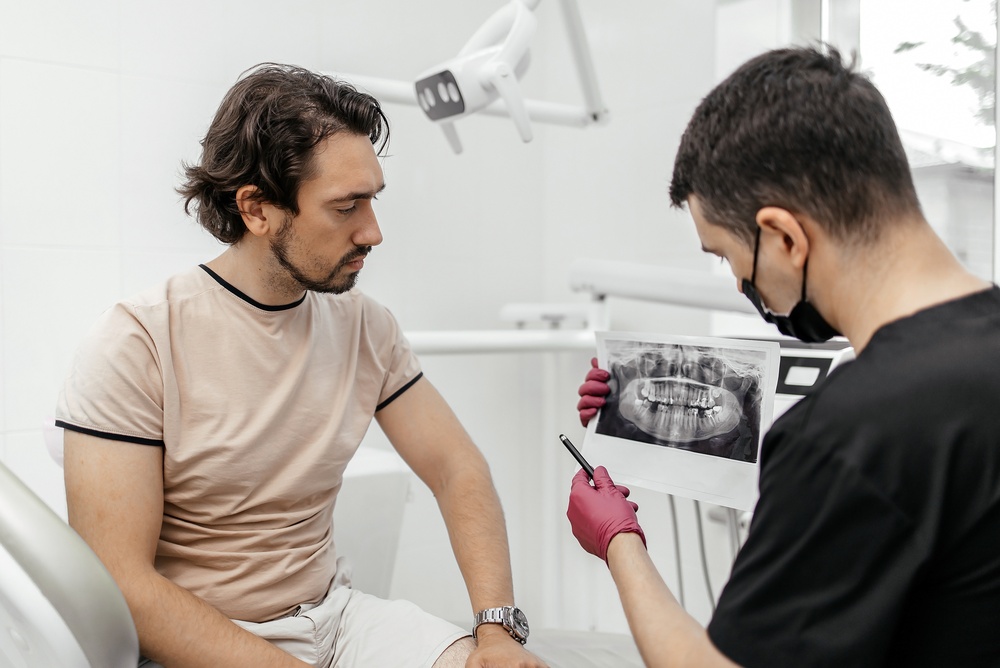
X-ray evidence and digital imaging complete the picture. They show how much bone loss has already happened beneath the surface, often before symptoms become obvious.
When Scaling and Root Planing Is Enough
When pocket depths are moderate and diseased areas are limited, scaling and root planing is the first step. This deep cleaning removes bacterial deposits below the gumline and smooths the root surface. Bacteria are then less likely to reattach.
It clears the infection driving breakdown of the connective structures around the tooth. For many patients, this approach combined with regular periodontal maintenance stops disease from advancing further.
When Surgery Becomes Necessary
When scaling and root planing is not enough, surgery follows. At that point, the condition of the connective tissue matters a great deal.
A study on periodontal surgery found greater clinical attachment loss was strongly associated with complications like infection and wound dehiscence. Wound dehiscence means the surgical site reopens before healing finishes. The further the disease has progressed before surgery happens, the more the body has to recover from.
Waiting does not just delay care. It shifts the starting point that treatment has to work from, often for the worse.
Surgical Approaches: From Flap Surgery to Gum Grafting and Beyond
When surgery is the right step, the specific approach depends on the type of damage present. It also depends on where that damage is located.
Types of Periodontal Surgery
- Flap surgery, also called osseous surgery, lifts gum tissue to clean root surfaces and reshape bone damaged by infection.
- Gum grafting, or gum graft surgery, rebuilds gum thickness using tissue from the palate to cover exposed roots.
- Regenerative procedures, including bone grafting, support tissue regeneration in bone and connective tissue that disease has destroyed.
- Full-mouth treatment applies when advanced disease affects multiple areas at once.
- Pinhole Surgical Technique, offered by some practices as a less invasive option, repositions existing tissue instead of grafting new tissue.
How Smoking Affects Surgical Healing
Lifestyle habits shape how well any of these surgical approaches work, and smoking is the clearest example.
A review on smoking and periodontal therapy cited a trial comparing smokers and nonsmokers who had the same surgery. Nonsmokers saw twice as much gain in the clinical attachment level after six months. Smoking status was the only variable that changed between the two groups.
A 10-year cohort study on regenerative surgery found a statistically significant survival difference between smokers and nonsmokers. The most common cause of tooth loss was disease recurrence, even after successful surgery.
Protecting Your Results Long Term
Surgery treats existing damage, but it does not remove the conditions that allowed disease to develop in the first place. Consistent oral hygiene, regular periodontal maintenance, and attention to lifestyle habits all protect results over time.
The Real Cost of Waiting on Gum Disease Surgery
Gum disease surgery gets more complicated the longer a diagnosis goes unaddressed. Bone loss, pocket depth, and inflammatory markers keep moving in the wrong direction over time. Catching the disease early usually means a simpler procedure with fewer setbacks.
The Center for Dental Health La Jolla works with patients through every stage of that decision. Dr. Sandhya Hegde, D.D.S., B.D.S,. can tell you plainly whether you need surgery or non-surgical care. Ready to find out where your case stands? Contact our team to schedule a visit and get a straight answer.
FAQs
What is gum disease surgery?
Gum disease surgery is the term patients hear once a periodontist decides a deep cleaning alone will not resolve their condition. A periodontist, a dentist with additional training in gum and bone health, typically performs these procedures rather than a general dentist. The exact plan depends on your pocket depths, bone loss, and overall health history. No two treatment plans look exactly alike.
Is gum disease surgery painful?
Local anesthesia keeps the surgery itself pain-free, and many practices also offer sedation options for patients who feel especially nervous. Some tenderness and swelling are normal for the first few days afterward, similar to recovering from a deep dental cleaning. Over-the-counter pain relievers usually handle any discomfort. Tell your provider ahead of time if dental anxiety is a concern so they can plan accordingly.
Can gum disease be treated without surgery?
Whether surgery is avoidable depends on how your gums respond to initial non-surgical treatment. Your provider will typically recheck pocket depths a few weeks after a deep cleaning to see whether the numbers are improving. If pockets stay shallow and inflammation calms down, you may not need further treatment. If the disease keeps progressing despite treatment, surgery becomes the next reasonable step.
How long does recovery from gum disease surgery take?
Timelines vary by procedure, but most patients feel back to normal within one to two weeks. Simple grafting sites often heal faster than more involved regenerative procedures. Your periodontist will usually schedule a follow-up visit in about one to two weeks to check healing progress. Full tissue maturation can continue quietly for several months after the visible healing is done.
How often do I need to see a dentist after gum disease surgery?
Most patients move to a three- to four-month maintenance schedule after gum surgery, compared to twice-yearly general checkups. These visits let your periodontist re-measure pocket depths and check whether any new areas of inflammation are developing. Skipping this schedule is one of the most common reasons disease quietly returns. Sticking with it protects the results your surgery achieved.
Sources
- https://pmc.ncbi.nlm.nih.gov/articles/PMC8137476/
- https://pmc.ncbi.nlm.nih.gov/articles/PMC12398414/
- https://pmc.ncbi.nlm.nih.gov/articles/PMC10094532/
- https://pmc.ncbi.nlm.nih.gov/articles/PMC9373923/
- https://pmc.ncbi.nlm.nih.gov/articles/PMC12504384/
- https://pmc.ncbi.nlm.nih.gov/articles/PMC11663742/
- https://www.cdc.gov/oral-health/about/gum-periodontal-disease.html