Choosing between dental implant types comes down to one factor: how healthy your jawbone is. Bone volume decides whether you qualify for a standard implant, a bone-surface option, or a cheekbone-anchored solution. Each category solves a different clinical problem.
This guide breaks down endosteal, subperiosteal, and zygomatic implants in plain terms. You’ll learn what separates each option and what a dental professional checks during implant placement. It also covers why a proper evaluation matters before any dental procedure begins.
Key Takeaways
- Endosteal implants are the standard choice when jawbone volume is adequate.
- Subperiosteal implants rest on top of the jawbone for patients who want to avoid a bone graft.
- Zygomatic implants anchor into the cheekbone for cases with severe bone loss.
- A CT or CBCT scan determines which implant category fits your anatomy.
- Recovery timelines and long-term maintenance vary by implant type and complexity.

Endosteal Implants: The Standard in Implant Dentistry
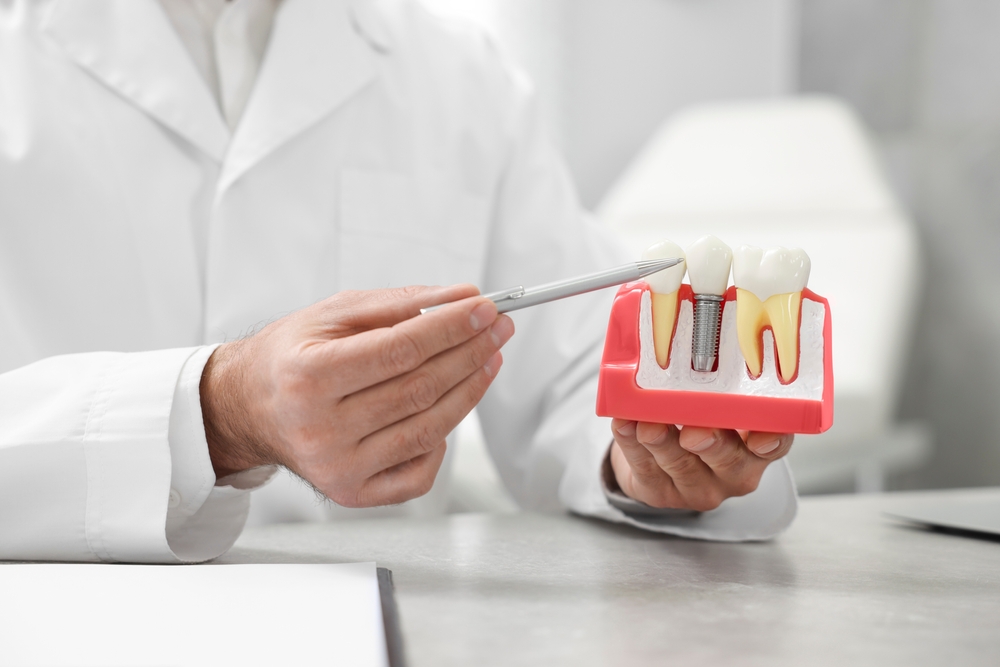
Endosteal implants are the starting point for most implant dentistry conversations. They work when your jawbone is wide and tall enough to support a titanium post directly.
Why Bone Volume Is the Deciding Factor
The implant decision starts with bone. Root-form implants remain the most commonly placed endosteal design. Research on implant removal suggests this is because of their versatility and high success rates. Root-form dental implants stay the default recommendation whenever bone is adequate.
Threaded designs matter too. A finite element study found that threaded implants improve primary stability and increase bone-implant contact area compared with smooth designs. That extra contact area helps a titanium implant withstand everyday bite forces.
How Endosteal Implants Are Placed and Heal
The titanium post goes into the jawbone during a surgical appointment. Over the following months, bone grows around the implant in a process called osseointegration.
- The bone locks directly onto the titanium post.
- This mimics how bone holds a natural tooth root.
- Full healing typically takes several months before dentists attach the permanent restoration.
Because the implant fuses with the jaw, screw-retained restorations behave like natural tooth roots. They stimulate bone, slow bone resorption, and support implant-supported tooth replacement across one tooth or a full dental arch.
What Endosteal Implants Can Restore
This foundation supports several types of dental restoration, depending on how many teeth are missing:
- Single and multiple implant placements
- Implant crowns and bridges
- All-on-X restorations
- Implant overdentures
Not every patient qualifies for this option. If your jawbone has lost height or width from tooth loss, gum disease, or long-term denture wear, you may need additional procedures first. That’s where the next two categories come in.

When Bone Loss Rules Out Standard Implants: Subperiosteal Dental Implants
Subperiosteal implants solve a specific problem: not enough bone to anchor a titanium post, with no interest in a bone graft first. Rather than entering the bone, this type sits on top of it.
What Makes Subperiosteal Implants Different
The periosteum is the thin tissue layer covering the bone’s outer surface. Subperiosteal implants sit directly beneath that layer, resting on the jawbone itself.
- A custom metal framework fits directly onto the bone’s surface.
- Fixation screws hold the framework in place.
- Posts extend through the gum to support the restoration above.
Why This Once-Rare Option Is Making a Comeback
This design predates bone grafting as a clinical option. It fell out of favor for a time. This once-rare implant type has since seen a technological revival, thanks to modern advancements in digital imaging and 3D printing.
Clinicians now use 3D images of a patient’s actual bone to design a matching framework. This reduces surgical guesswork and improves outcomes.
Survival Rates and Design Variations
The survival numbers back this up. A systematic review of graftless solutions found that subperiosteal implants had a 97.8% short-term survival rate across 257 patients.
Two specific designs fall within this subperiosteal implant category:
- Place-form implants, which use a framework matched to the patient’s bone surface.
- Aramus-frame implant, another custom design using the same digital planning process.
Bone augmentation remains available for patients who want to rebuild volume before an endosteal implant. For those who’d rather skip that step, subperiosteal implants offer a graftless route to a restored dental arch.
Zygomatic Implants: The Solution for Severe Bone Resorption
Zygomatic implants serve patients whose bone loss has progressed beyond the point where endosteal or subperiosteal options can provide a stable base. The key difference is where they anchor: the cheekbone, not the jaw.
Why the Cheekbone Becomes the Anchor Point
The zygomatic bone is dense and sits well above the upper jaw. When the upper jaw has deteriorated significantly, this implant travels through remaining jaw tissue and fixes into the cheekbone instead. This route bypasses the sinus cavity entirely, which limits usable bone in that area.
Who Actually Needs a Zygomatic Implant
A review of 28 zygomatic implant cases found atrophic maxilla to be the leading indication, seen in nearly 43% of cases. Tumor resection was another common reason. These are cases where grafting wouldn’t produce enough foundation for any standard dental procedure.
Candidates for this evaluation typically include patients with:
- A history of periodontal disease
- Multiple prior tooth extractions
- Significant bone loss across the dental arch
Zygomatic implants aren’t a first-line option. Dentists reserve this option for situations where other paths have closed.
Survival Outcomes and Clinical Support
The clinical outcomes hold up well. In a systematic review of 623 patients that also evaluated subperiosteal implants, zygomatic implants showed a 96.1% survival rate. They also perform well when patients need quick tooth replacement.
A finite element analysis on bone-conserving alternatives confirms that dentists should weigh alternative implant procedures before extensive grafting. Subperiosteal and zygomatic implants are both viable options here, especially when standard implant placement isn’t possible.
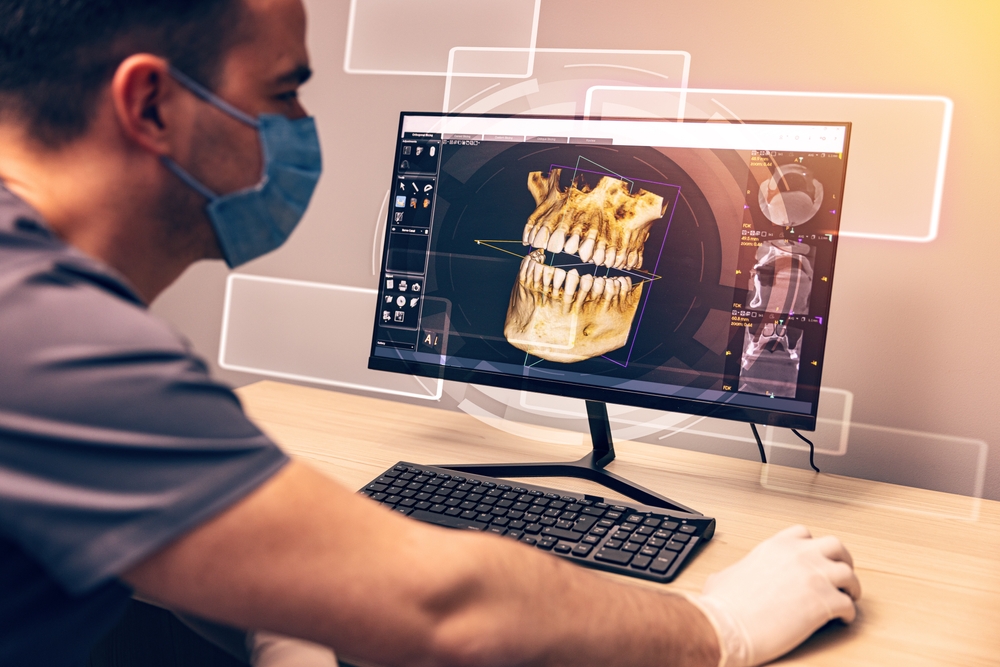
Determining candidacy requires a CT or CBCT scan. The scan maps bone volume in three dimensions. It shows the relationship between the jaw, sinus, and cheekbone. This gives a dental professional the full picture before recommending a plan.
Find Your Match Among the Different Types of Dental Implants
Different types of dental implants solve different bone problems, and matching yours to the right one starts with a clear picture of your jaw. Endosteal implants work when you have adequate bone. Subperiosteal implants offer a graftless alternative, and zygomatic implants cover the most severe cases.
A CT or CBCT scan is the only way to know which category applies to you. Any reputable dental clinic will start there.
Smile restoration is possible across a wider range of bone situations than most people expect. Cosmetic dentistry options also extend well beyond what people typically assume. The right imaging replaces guesswork with a clear answer.
Every case is different, and the only way to know your options is to talk through your specific bone structure with someone who can read the scan. Dr. Sandhya Hegde, D.D.S., B.D.S., at Center for Dental Health La Jolla can walk you through what your imaging shows and which implant category fits. Book a visit with our team!
FAQs
What are mini dental implants and who are they for?
Mini dental implants use a narrower diameter than standard implants, sometimes half the width of a traditional post. This makes them a common choice for tighter spaces, like the front lower jaw, or for patients whose ridge has thinned with age. Many people also choose them for denture stabilization because they require less bone preparation. Recovery is often quicker, though they may not be ideal for high-bite-force areas like molars.
How do zirconia implants differ from titanium implants?
Zirconia implants are a newer option, and dentists often present them as a single solid piece rather than a separate post and abutment. This one-piece design can simplify placement in some cases. Patients drawn to zirconia usually want a tooth-colored option that avoids any visible metal near the gumline. Cost can run higher than titanium, and not every practice stocks zirconia systems, so availability varies.
How long does the dental implant process take from start to finish?
Timelines shift based on implant type and healing needs. Zygomatic implants sometimes allow immediate loading, meaning a temporary tooth can be placed within a day or two of surgery, which is faster than most standard cases. Subperiosteal implants generally need extra time upfront for custom framework design and 3D scanning before surgery even begins. Your specific timeline depends on imaging results and any prep work required.
What oral hygiene habits help implants last longer?
Beyond brushing and flossing, a water flosser can reach tighter spots around implant crowns that regular floss might miss. Scheduling checkups every six months lets your dentist catch early signs of gum inflammation around the implant before it worsens. Watch for bleeding, tenderness, or looseness in the restoration itself, since these often signal a problem developing beneath the surface that needs prompt attention.
Can dental implants fail, and what causes implant failure?
Beyond healing issues and bone loss, mechanical problems can also cause failure, including a loosened abutment screw or a fractured crown from excessive grinding. Peri-implantitis, an infection specific to implants, can develop years after placement if plaque builds up around the site. Regular monitoring catches most of these issues early, which is why skipping follow-up visits raises long-term risk more than people expect.