How long do veneers last comes down to three daily habits more than any single material choice. Research tracking veneers for 15 to 20 years shows survival rates above 90%. That figure only holds for patients who avoid three specific mistakes.
Habit one involves grinding and bite forces. Habit two involves gum tissue health around the veneer margin. Habit three involves how much enamel gets removed during tooth preparation. This guide breaks down each habit and the dental bonding decisions behind them. It also covers what the research says about protecting your investment in cosmetic dentistry.
Key Takeaways
- Veneers can survive 90% or more over 15 to 20 years when placed and maintained correctly.
- Teeth grinding is the leading behavioral cause of veneer fracture and chipping.
- A night guard is the most direct way to protect veneers from bite force damage.
- Gum recession and gum disease around the veneer margin lower both restoration health and patient satisfaction.
- Enamel-only bonding during placement produces a meaningfully longer lifespan than dentin exposure.
Veneer Durability and Average Lifespan by Material Type
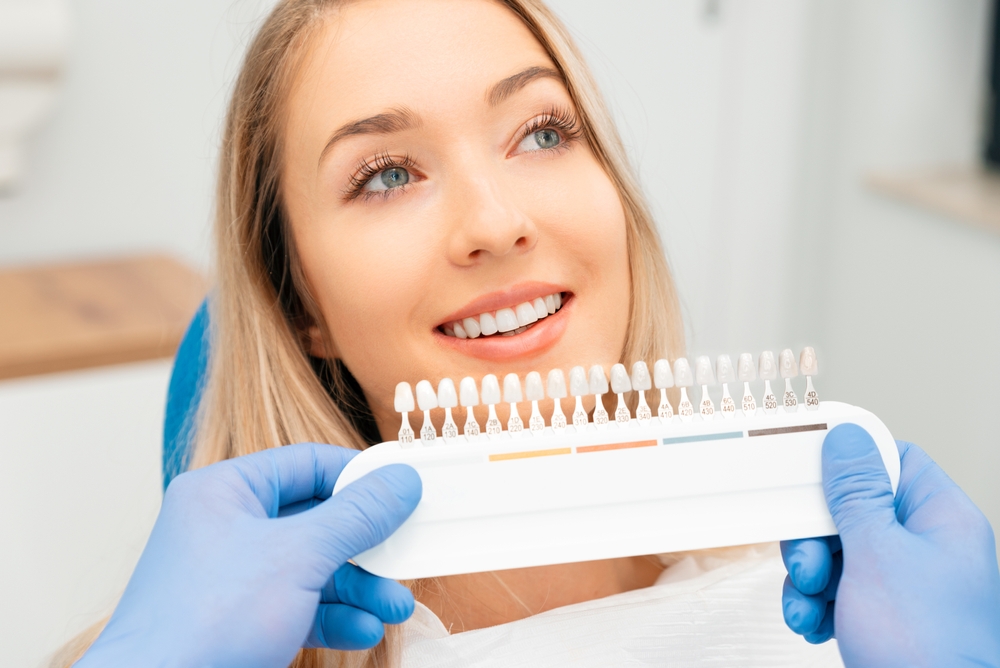
Veneer durability has a well-documented baseline, but it varies by material and placement technique. The two subsections below cover what long-term studies actually found and how the main veneer types compare.
What the Long-Term Survival Data Shows
A retrospective study tracking 672 veneers over 15 years found an estimated survival rate of 96%. A separate prospective study compared conventional and no-prep veneers over a mean of 9 years. It found that no-prep restorations exceeded conventional veneers in overall survival.
These numbers describe a dental restoration placed correctly and maintained well. They do not describe every veneer placed. Long-term lifespan depends heavily on the three habits covered later in this guide.
Porcelain vs Composite Resin vs No-Prep Veneers
Material choice affects appearance and stain resistance, though it rarely decides long-term durability on its own. A quick comparison:
- Porcelain veneers: made from high-grade ceramics, offering the strongest stain resistance and the most long-term research behind them
- Composite veneers: a lower-cost composite resin option that wears faster and absorbs pigment from staining foods and other stain-causing substances over time
- No-prep veneers: preserve more natural teeth structure and follow the same bonding rules as traditional designs
Dental professionals generally agree that bonding material and technique matter more for long-term lifespan than the veneer material itself.
Habit #1: Teeth grinding and bite forces, are you damaging your veneers at night?
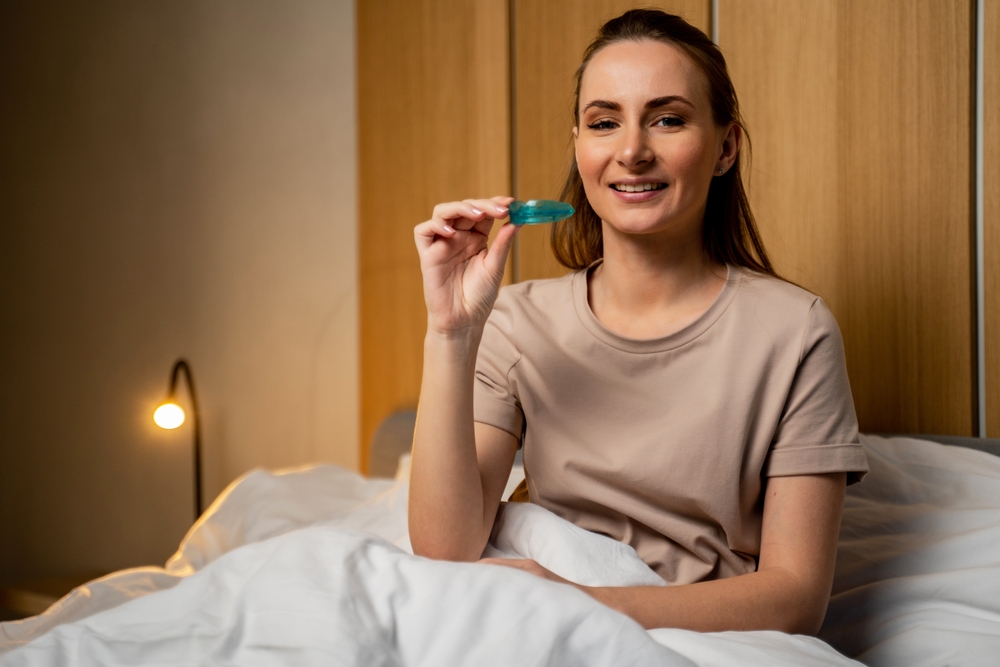
Teeth grinding, known clinically as bruxism, is the most documented behavioral cause of veneer failure. A review of veneer failure mechanisms found fracture and chipping to be the primary failure modes. Fracture rates rise with parafunctional activities such as grinding.
Signs You Might Be Grinding at Night
Normal chewing spreads bite forces evenly across natural teeth in a way veneers can handle. Grinding works differently, dragging across the veneer surface during sleep. A few signs suggest you might be grinding:
- Waking up with a sore jaw or tight facial muscles
- Flattened or worn edges on your back teeth
- Frequent headaches near the temples
- A partner noticing grinding sounds while you sleep
How a Night Guard Protects Your Veneers
A night guard is the most direct way to reduce grinding-related damage. It will not stop the grinding itself. It absorbs the force before it reaches the veneer surface and causes bonding breakdown at the margin.
Bite alignment matters too. A veneer placed without checking how the upper and lower teeth meet will absorb force at the wrong angle. That adds stress even without a grinding habit. Hard candies pose a similar risk. Biting into them creates a sudden load that can cause cracks or chips, even if you don’t grind.
Habit #2: Oral Hygiene, Gum Health, and Professional Cleanings
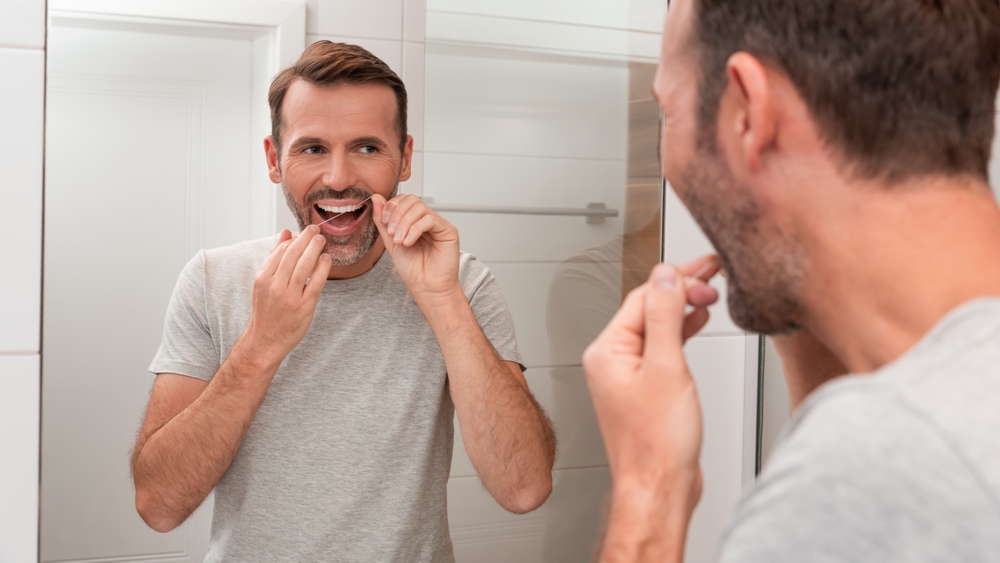
Poor oral hygiene around the veneer margin does more than affect gum tissue. It changes how patients rate the success of the entire restoration. A survey on soft tissue changes among veneer patients found hyperplasia (62.2%) to be the most common complication. Those patients reported noticeably lower satisfaction.
Daily Oral Hygiene Habits That Protect Veneers
Gum recession is a related concern tied to inconsistent oral hygiene practices. When tissue pulls back from the margin, it exposes the bonding edge to bacteria it can’t handle. Untreated gum disease speeds up that process. A simple dental care routine covers most of the risk:
- Use a non-abrasive fluoride toothpaste, never a whitening formula
- Floss daily, focusing on where the veneer meets the gum line
- Avoid using teeth to open packages or bite fingernails
- Build these steps into a consistent maintenance routine rather than an occasional one
Why Professional Cleanings and Dental Visits Still Matter
Professional cleanings reach what brushing cannot. Calculus builds up at the margin over time and needs removal by your dental team. Skipping dental visits lets buildup grow and raises the risk of tissue problems.
Patients who treat veneers as lower maintenance than natural teeth are the ones most likely to run into these issues. Routine dental checkups protect both dental health and the restoration’s appearance over time. Dental professionals can catch small problems before they affect the underlying restoration.
Habit #3: The Preparation Decision That Locks In Your Veneers’ Lifespan
The tooth preparation appointment determines more about long-term lifespan than any step that follows. The two factors below explain why.
Enamel Bonding vs Dentin Exposure
Bonding to enamel produces meaningfully better outcomes than bonding to exposed dentin, regardless of which dental bonding material is used. The same 15-year study found that veneers bonded entirely to enamel reached an estimated survival rate of 96.7%. That compares to under 94% when more than 30% of the bonding margin touched dentin.
Why Tooth Preparation Technique Matters
That survival gap traces back to a single decision made during preparation: how much enamel the dentist removes. A technique that removes more structure than necessary pushes the bonding margin onto dentin. That decision affects the restoration for its entire lifespan.
Temporary veneers worn between preparation and final placement let you preview shape and shade. They don’t change the bonding surface already set. Tooth sensitivity after placement often shows up when preparation exposes dentin, and it often signals how the dentist performed the preparation. Choosing an experienced provider for this single appointment matters more than almost any other decision in the process.
How long do veneers last? Let’s Help You Get There
So, how long do veneers last once you leave the dental chair? The honest answer is that your daily habits decide most of it, not the material sitting on your teeth.
A night guard, consistent hygiene at the margin, and a preparation that protects your enamel give you the best shot at matching the research numbers cited above. None of it requires perfection, just consistency.
Dr. Sandhya Hegde, D.D.S. B.D.S., and the team at the Center for Dental Health La Jolla can review your bite, habits, and goals before recommending a veneer plan built around what actually keeps them intact. Contact us today!
FAQs
Can veneers be repaired if they chip or crack?
Repair depends on the size and location of the damage. Small chips on composite resin veneers can often be smoothed or rebonded chairside in a single visit, usually at a lower cost than a full replacement. Porcelain veneers that crack rarely bond back together reliably, so most cases call for a new veneer instead. Catching damage early keeps your options open and your budget smaller.
Do veneers stain the same way natural teeth do?
Porcelain resists staining far better than natural teeth because of its dense, non-porous surface, so coffee and tea have little effect. Composite resin is more porous and slowly absorbs color from dark drinks over the years. Neither material responds to whitening treatments, since the shade is locked in at placement. A dental professional can sometimes polish porcelain to refresh its shine between checkups.
How does teeth grinding affect veneers differently than natural teeth?
Natural teeth absorb some grinding force through the periodontal ligament, a thin tissue cushion that surrounds the tooth root. Veneers sit directly on the tooth and don’t have that same cushioning at the bonding surface. Repeated grinding concentrates stress at the margin, which speeds up fracture and bonding breakdown over time. If you already grind, a custom night guard is a small investment compared to replacing a cracked veneer.
What is the difference between porcelain and composite resin veneers?
Porcelain veneers have more long-term research behind them and generally last longer with proper care, though they take two visits since a lab fabricates them. Composite resin veneers cost less per tooth, wear faster, and pick up stains more easily, but a dentist can often sculpt and repair them chairside in one appointment. Both materials depend heavily on bonding quality and daily habits, not the material alone.
How should I clean my teeth if I have veneers?
Use a non-abrasive fluoride toothpaste and floss daily, paying close attention to where the veneer meets the gum line. Skip whitening toothpaste, since the mild abrasives can dull porcelain and scratch composite resin over time. A soft-bristled electric toothbrush is generally gentler on veneers than a firm manual brush. Keep up with professional cleanings roughly every six months so your dental team can catch any margin issues early.